
Every word lesson on the site lives here, pulled from real anime, games, and songs rather than a textbook list. Each one covers the meaning, the reading, how it compares to similar words, and real example sentences so you actually see it in use.
Recent Posts
-
Top 25 Most Common Japanese Particles (with Examples)
Particles are the glue that holds Japanese sentences together, tiny words that completely change meaning depending on which one you use. This list covers 25…
-
Top 25 Most Common Japanese Adjectives (with Examples)
Once you can name things and take action, adjectives let you actually describe them. This list covers 25 of the most essential and useful Japanese…
-
Top 25 Most Common Japanese Nouns (with Examples)
If verbs help you build sentences, nouns give you something to talk about. This list covers 25 of the most essential and useful Japanese nouns,…
-
Top 25 Most Common Japanese Verbs (with Examples)
If you’re just starting to learn Japanese, verbs are one of the fastest ways to start forming real sentences. This list covers 25 of the…
-
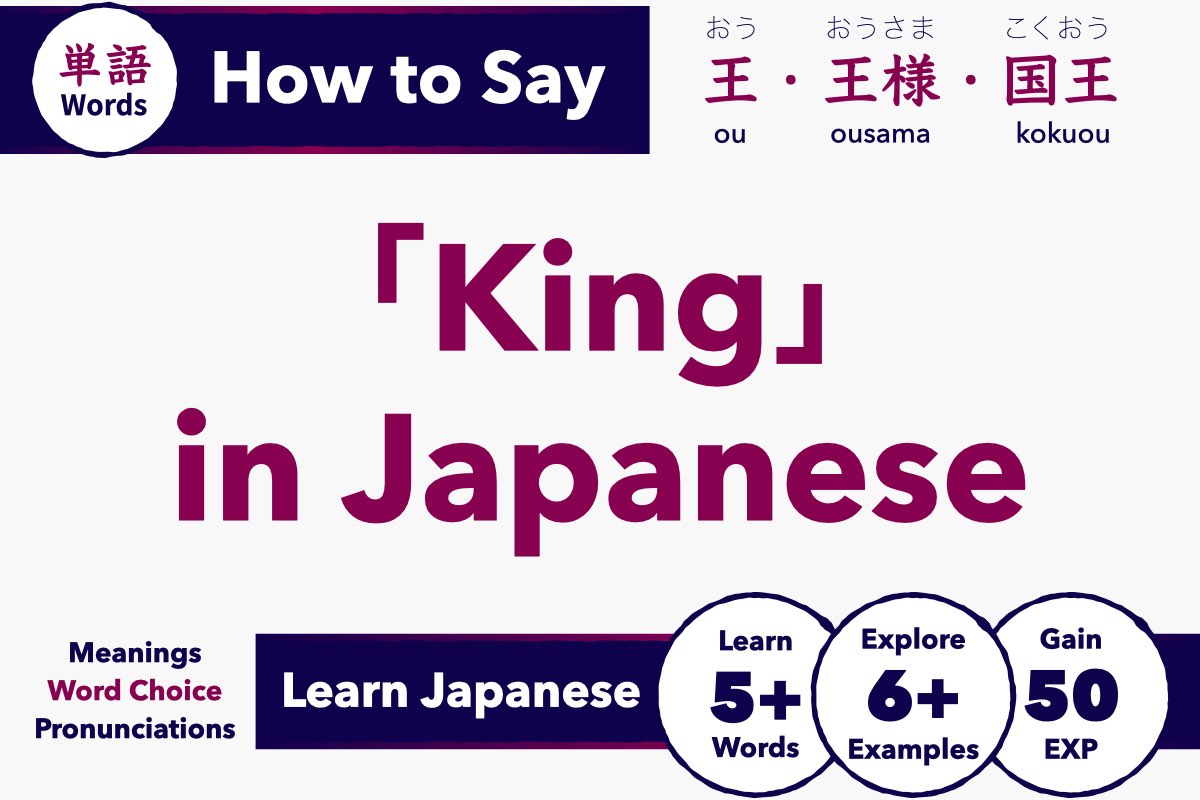
How to Say King in Japanese (5 Common Words Explained)
The most common way to say king in Japanese is 王 (おう, ou). If you mean the actual, official title of a country’s monarch, 国王…
-
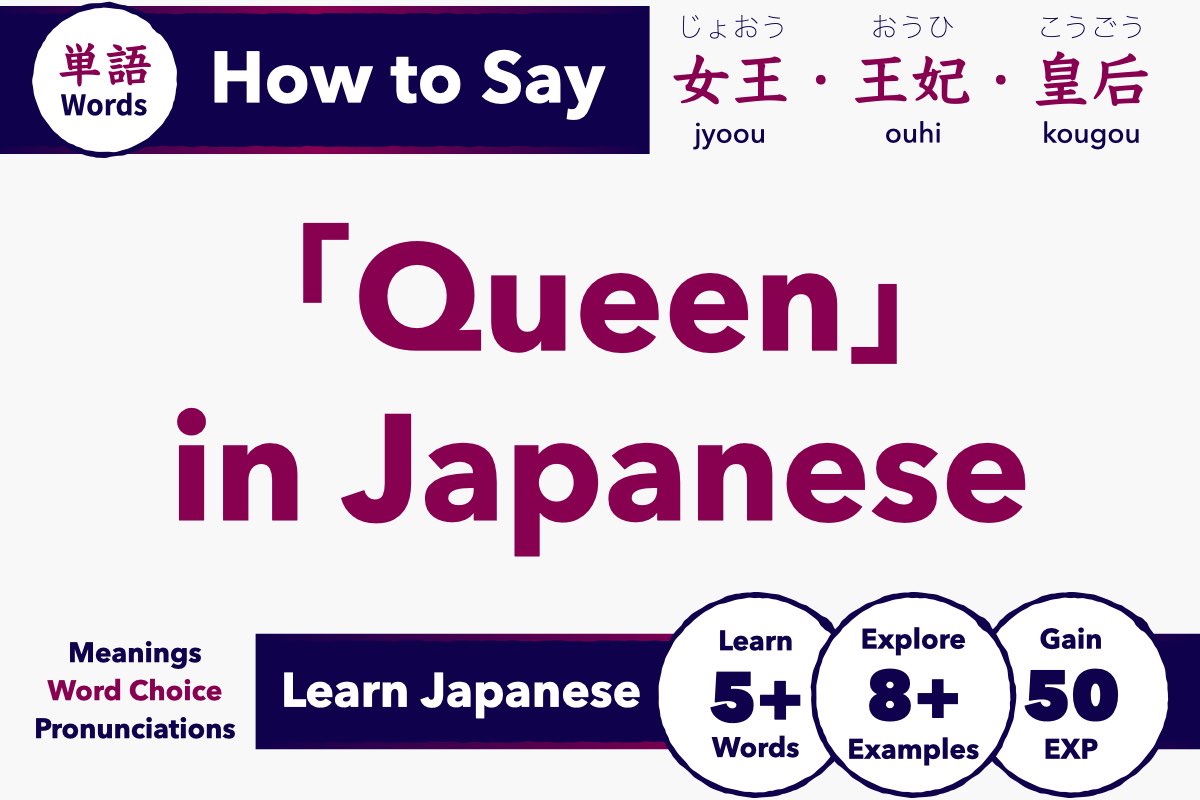
How to Say Queen in Japanese (5 Common Words Explained)
The most common way to say queen in Japanese is 女王 (じょおう, jyoou). If you mean specifically the wife of a king rather than a…
-
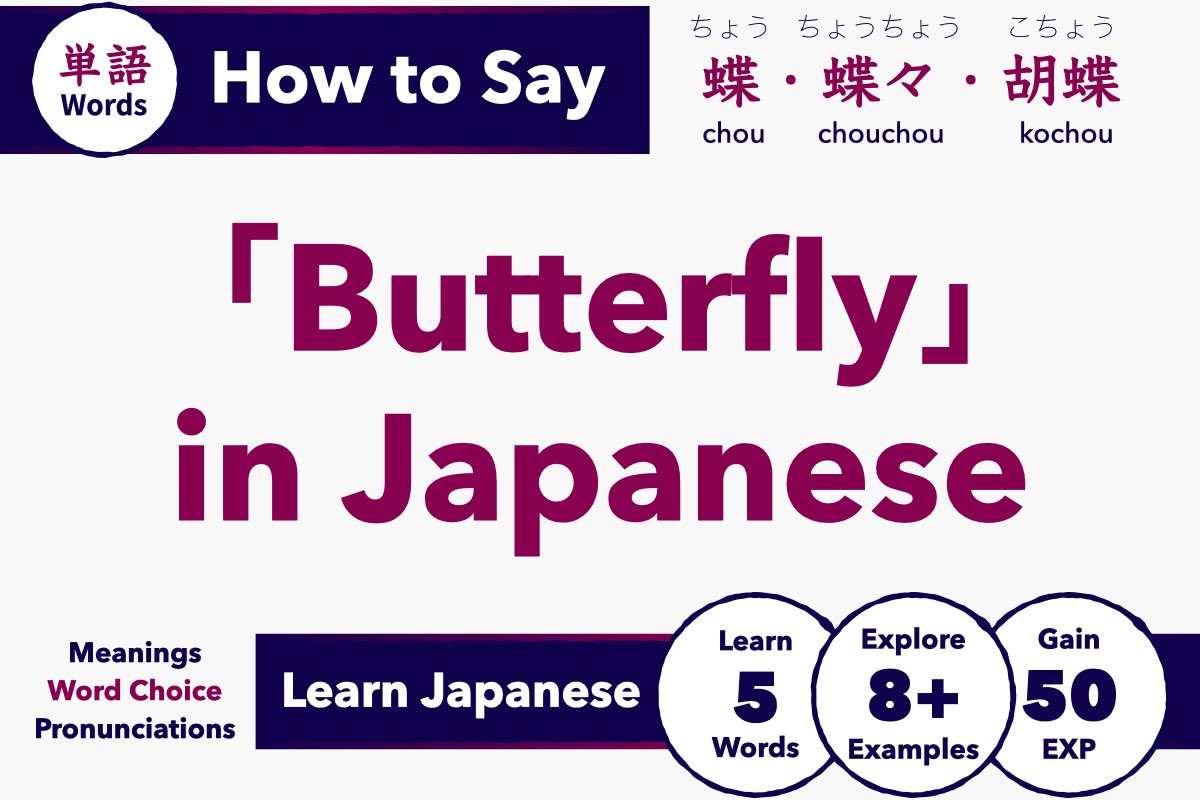
How to Say Butterfly in Japanese (Not バタフライ!)
The most common way to say butterfly in Japanese is 蝶 (ちょう, chou). For a slightly cuter, more childlike version, use 蝶々 (ちょうちょう, chouchou). For…
-
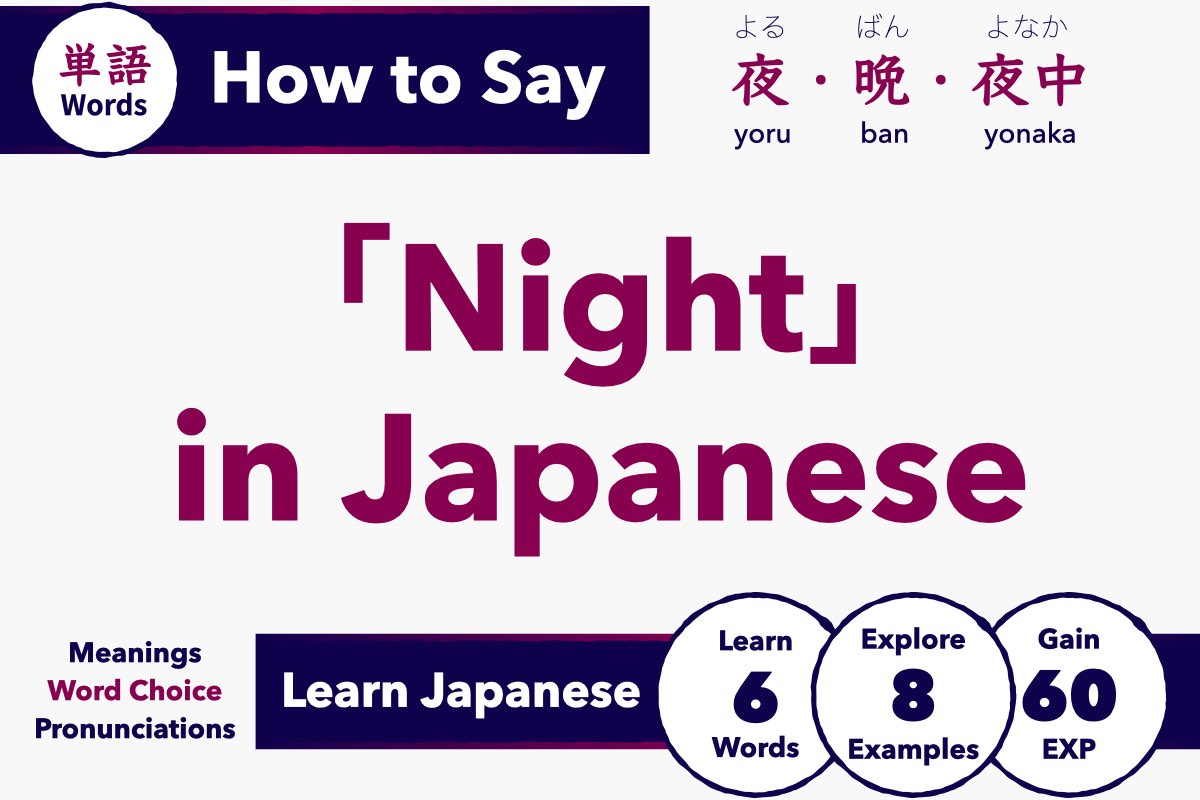
How to Say Night in Japanese (6 Words, Night vs Knight)
The most common way to say night in Japanese is 夜 (よる, yoru). For the early part of the night, especially around dinnertime, 晩 (ばん,…
-
How to Say Darkness in Japanese (7 Common Words Explained)
The most common way to say darkness in Japanese is 闇 (やみ, yami). If you’re talking about a place with no light, 暗闇 (くらやみ, kurayami)…
-
The First 25 Japanese Words in Final Fantasy I
This is the perfect place to start building your Japanese vocabulary base with words and phrases from Final Fantasy I 『ファイナルファンタジーI』. Instead of a random…