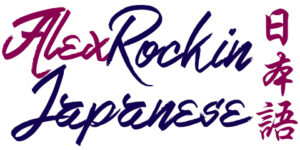
The most common way to say butterfly in Japanese is 蝶 (ちょう, chou). For a slightly cuter, more childlike version, use 蝶々 (ちょうちょう, chouchou). For a more poetic or literary word, you’ll sometimes see 胡蝶 (こちょう, kochou).
- 蝶 (ちょう, chou)
the everyday, default word for butterfly - 蝶々 (ちょうちょう, chouchou)
a cuter, more childlike way to say butterfly - 胡蝶 (こちょう, kochou)
a poetic, literary word for butterfly
Japanese has a few words for butterfly, along with two misleading loanwords that usually refer to something else entirely. Below, you’ll learn each word’s meaning, pronunciation, kanji, hiragana, and usage, with examples from anime (Demon Slayer) and everyday Japanese.
Credit Attribution
- Audio file generated with VOICEVOX:四国めたん, VOICEVOX:冥鳴ひまり, VOICEVOX:ずんだもん
Common Japanese Words for Butterfly
| Kanji | Hiragana | Romaji | Meaning |
|---|---|---|---|
| 蝶 | ちょう | chou | butterfly |
| 蝶々 | ちょうちょう | chouchou | butterfly (cuter, more casual) |
| 胡蝶 | こちょう | kochou | butterfly (poetic, literary) |
| バタフライ | ばたふらい | batafurai | butterfly (loanword) |
| パピヨン | ぱぴよん | papiyon | butterfly (loanword) |
蝶 (ちょう, chou) is the Japanese word for butterfly that you’ll encounter and use most often. It’s the standard, everyday word for the insect and the safest choice when you’re not sure which word to use.
- 蝶 (chou): Use this any time you just mean the insect. It’s the word you’ll see in nature documentaries, school textbooks, and casual conversation.
- 蝶々 (chouchou): This is the word you’d use talking to or with children, or when you want something to sound a little softer and more charming.
- 胡蝶 (kochou): This word is more common in poetry, classical references, or anywhere a more literary, old-fashioned word fits better.
- バタフライ (batafurai): This translates as butterfly, but in real Japanese, this almost always means the butterfly swimming stroke instead.
- パピヨン (papiyon): Also technically means butterfly, but in Japanese, this one almost always refers to the Papillon dog breed instead.
There are a couple more words, like 蝴蝶 and 夢見鳥 (which is such a cool word), but you’re unlikely to encounter them in everyday Japanese. Before we get to those, though, let’s clear up the two loanwords that often confuse learners.
The Butterfly Loanword Trap (バタフライ vs パピヨン)
Both 『バタフライ (batafurai)』 and 『パピヨン (papiyon)』 come from words that mean butterfly, but in modern Japanese they usually refer to something completely different. Here’s why.
1. 『バタフライ (batafurai)』 usually refers to the swimming stroke
Although it’s borrowed from the English word butterfly, 『バタフライ』 almost always refers to the butterfly stroke in swimming.
If someone says 『バタフライ』 at a pool, during a swim lesson, or while watching the Olympics, they’re talking about the swimming style, not the insect.
While dictionaries do list butterfly as a possible meaning, native speakers will usually think of swimming first. If you mean the insect, 「蝶 (ちょう, chou)」 is the much clearer and more natural choice.
2. 『パピヨン (papiyon)』 usually means the dog breed
『パピヨン』 comes from the French word papillon, meaning butterfly. The dog breed got its name from its large, butterfly-shaped ears.
In modern Japanese, however, 『パピヨン』 almost always refers to the dog rather than the insect.
蝶 (chou)
- Kanji: 蝶
- Romaji: chou
- Hiragana: ちょう
- Meaning: butterfly
『蝶』 is the default, all-purpose word for butterfly in Japanese. It covers the insect in every context, whether you’re chatting with friends, reading a novel, or watching anime, without any particular flavor attached.
Compared to 「蝶々 (chouchou)」 or 「胡蝶 (kochou)」, 『蝶』 is completely neutral. It doesn’t sound cute, formal, or poetic. It’s simply the word for the insect.
You’ll see 『蝶』 constantly, in nature writing, casual conversation, anime, and everyday Japanese whenever butterflies come up at all.
Example:
庭に蝶が飛んでいる。
A butterfly is flying in the garden.
蝶々 (chouchou)
- Kanji: 蝶々
- Romaji: chouchou
- Hiragana: ちょうちょう
- Meaning: butterfly (cuter, more casual)
『蝶々』 doubles the character 「蝶 (chou)」, and that repetition gives the word a softer, more playful feel than plain 「蝶 (chou)」. It’s the version you’ll hear in children’s songs, picture books, and casual conversation with or about kids.
Unlike 「蝶 (chou)」, which stays completely neutral, 『蝶々』 carries a gentle, affectionate tone. It’s the difference between saying butterfly and saying butterfly in a slightly sing-song voice.
You’ll hear 『蝶々』 often in nursery rhymes and children’s media, and casually among adults too, especially when the moment calls for something a little cuter than the plain dictionary word.
Example:
蝶々が花にとまった。
A butterfly landed on the flower.
胡蝶 (kochou)
- Kanji: 胡蝶
- Romaji: kochou
- Hiragana: こちょう
- Meaning: butterfly (poetic, literary)
『胡蝶』 is a more literary, old-fashioned word for butterfly. You won’t hear it in casual daily conversation nearly as often as 「蝶 (chou)」, but it shows up constantly in poetry, classical references, and titles.
Its most famous appearance is in 「胡蝶の夢 (the butterfly dream)」, a story from the Chinese philosopher Zhuangzi, who dreams he’s a butterfly and wakes up wondering which life was the dream. Because of that story, 『胡蝶』 carries a much more poetic and philosophical feeling than plain 「蝶 (chou)」.
Anime fans might also recognize 『胡蝶』 as part of Shinobu Kocho’s name in Demon Slayer (Kimetsu no Yaiba), whose name and fighting style are built around butterfly imagery.
Example:
胡蝶のように舞う。
To dance like a butterfly.
バタフライ (batafurai)
- Kanji: (katakana loanword, no kanji)
- Romaji: batafurai
- Hiragana: ばたふらい
- Meaning: butterfly (loanword)
『バタフライ』 is borrowed directly from English, but as covered above, real-world usage overwhelmingly points to the swimming stroke rather than the insect.
If you do mean the insect and want to use a loanword-flavored term for some reason, most native speakers will associate it with swimming first, so 「蝶 (chou)」 remains the clearer choice in everyday conversation.
You’ll hear 『バタフライ』 constantly, just almost always at a pool, in a swim class, or during Olympic coverage, not in a conversation about actual butterflies.
Example:
彼はバタフライが得意だ。
He’s good at the butterfly stroke.
パピヨン (papiyon)
- Kanji: (katakana loanword, no kanji)
- Romaji: papiyon
- Hiragana: ぱぴよん
- Meaning: butterfly (loanword)
『パピヨン』 is borrowed from French, and as covered above, it’s overwhelmingly associated with the dog breed of the same name in everyday Japanese.
Outside of pet-related contexts, 『パピヨン』 shows up occasionally in song titles, movie titles, and brand names, but essentially never as a plain word for the insect.
You’ll run into 『パピヨン』 mostly in conversations about dogs, pet shops, or dog breeds in general, not conversations about butterflies.
Example:
パピヨンはとても人懐っこい犬種だ。
The Papillon is a very friendly dog breed.
Quick Comparison Chart
| Word | Key Difference |
|---|---|
| 蝶 (chou) | butterfly (standard) |
| 蝶々 (chouchou) | butterfly (cuter, more playful) |
| 胡蝶 (kochou) | butterfly (literary, classic) |
| バタフライ (batafurai) | butterfly stroke (swimming style) |
| パピヨン (papiyon) | Papillon (dog breed) |
Literary But Rarely Used Words for Butterfly
While the words above cover almost every situation, Japanese also has a couple of much rarer, more literary words for butterfly. You’re unlikely to hear them in everyday conversation, but you might come across them in poetry, novels, or classical writing.
| Kanji | Hiragana | Romaji | Meaning | Usage |
|---|---|---|---|---|
| 蝴蝶 | こちょう | kochou | butterfly | rare, closer to the Chinese written form, occasionally seen in Japanese |
| 夢見鳥 | ゆめみどり | yumemidori | “dream-watching bird”, a poetic name for butterfly | classical, literary, tied to the “butterfly dream” story |
『夢見鳥 (yumemidori)』 literally means 「dream-watching bird」, and it comes from that same 「胡蝶の夢 (the butterfly dream)」 story, since the fluttering, dreamlike movement of a butterfly was compared to something adrift between dream and waking.
It’s a beautiful word, but not one you’ll use in daily conversation. It’s something you’d encounter in classical poetry or a very literary piece of writing.
Choose the Right Japanese Word for Butterfly
Still not sure which word to use? The tables below will help. The first shows the best word for specific situations, while the second gives you an idea of how common each word is.
By Situation
| If you’re talking about… | Use… |
|---|---|
| a butterfly in general | 蝶 (chou) |
| butterflies to children | 蝶々 (chouchou) |
| poetry or classical writing | 胡蝶 (kochou) |
| the butterfly swimming stroke | バタフライ (batafurai) |
| the Papillon dog breed | パピヨン (papiyon) |
By Frequency
| Word | Frequency Rank |
|---|---|
| 蝶 (chou) | ~9000 |
| 蝶々 (chouchou) | ~24,000 |
| 胡蝶 (kochou) | ~47,000 |
| バタフライ (batafurai) | ~49,000 |
| パピヨン (papiyon) | ~107,000 |
| 蝴蝶 (kochou) | ~196,000 |
| 夢見鳥 (yumemidori) | rare, no reliable rank |
If you only remember one word from this post, make it 『蝶 (ちょう, chou)』. It’s by far the most common and the one you’ll use in almost every situation.
For Learning Japanese
If you want to learn Japanese, start with:
① 蝶 (ちょう, chou)
The default word. You’ll use this constantly.
② 蝶々 (ちょうちょう, chouchou)
Common in children’s songs, books, and casual conversation.
③ 胡蝶 (こちょう, kochou)
Especially useful if you enjoy classical Japanese culture, poetry, or anime.
The remaining words are less common and can be learned naturally as you come across them.
FAQ: Hiragana, Katakana & Other Butterfly Questions
How do you write “butterfly” in hiragana? The most common way to write butterfly in hiragana is ちょう (chou).
How do you write “butterfly” in katakana? While 蝶 (chou) is normally written in kanji or hiragana (ちょう), you’ll sometimes see it written as チョウ, especially in field guides, scientific writing, and nature books. 蝶々 (chouchou) can likewise be written as チョウチョウ, although this is much less common.
How do you say “monarch butterfly” in Japanese? A monarch butterfly is オオカバマダラ (ookabamadara), the specific species name rather than a general word for butterfly.
Is there a Japanese equivalent for “butterflies in my stomach”? Not really, at least not built around the word 蝶 (chou). Japanese doesn’t use a butterfly-based idiom for nervousness. Instead, you’ll hear things like 胸がドキドキする (my heart is pounding) or 緊張する (to feel nervous) to describe the same feeling.
What is 胡蝶の夢? 胡蝶の夢 (“the butterfly dream”) is a famous story from the Chinese philosopher Zhuangzi, in which he dreams he’s a butterfly and wakes up unable to say for certain whether he’s a man who dreamed of being a butterfly, or a butterfly now dreaming he’s a man. It’s the source of both 胡蝶 (kochou) and 夢見鳥 (yumemidori) as poetic words for butterfly.
What about “purple butterfly”, “black butterfly”, or “little butterfly”? These aren’t fixed Japanese words, just descriptive combinations. In Japanese, you’d simply pair an adjective with 蝶 (chou), like 紫の蝶 (purple butterfly), 黒い蝶 (black butterfly), or 小さな蝶 (little butterfly), rather than reaching for a single dedicated word.
Who is the “butterfly girl”? Shinobu Kocho (胡蝶しのぶ) is sometimes referred to as the “butterfly girl”. She is a popular character from the hit anime and manga series Demon Slayer (Kimetsu no Yaiba).
Learn Japanese with Real Examples from…
| Source | Example | Word |
|---|---|---|
| Kimetsu no Yaiba (Demon Slayer) | 蝶の舞 戯れ | 蝶 (chou) |
| pet (OP) | ♪ 蝶の飛ぶ水槽 | 蝶 (chou) |
| DEZERT | ♪ 蝶々 | 蝶々 (chouchou) |
Learn More Japanese with…
Related Words
- 蛾 (が, ga) — moth
- 花 (はな, hana) — flower
- 虫 (むし, mushi) — bug, insect
- 羽 (はね, hane) — wing, feather
- 昆虫 (こんちゅう, konchuu) — insect (scientific)
Most Common Japanese Words
- Top 25 Most Common Japanese Verbs
Learn the Top 25 Japanese Verbs with audio and examples - Top 25 Most Common Japanese Nouns
Learn the Top 25 Japanese Nouns with audio and examples - Top 25 Most Common Japanese Particles
Learn the Top 25 Japanese Particles with audio and examples - Top 25 Most Common Japanese Adjectives
Learn the Top 25 Japanese Adjectives with audio and examples
Now you know why 『蝶 (ちょう, chou)』 is the everyday word for butterfly, why 『蝶々 (ちょうちょう, chouchou)』 sounds softer and more playful, and why 『胡蝶 (こちょう, kochou)』 feels much more poetic and literary.
The next time one of these words shows up in an anime, manga, game, or song, or even a conversation about dogs, you’ll know exactly why that particular word was chosen instead of another.
Keep leveling up your Japanese, and see you soon! 🦋 ✨
Alex