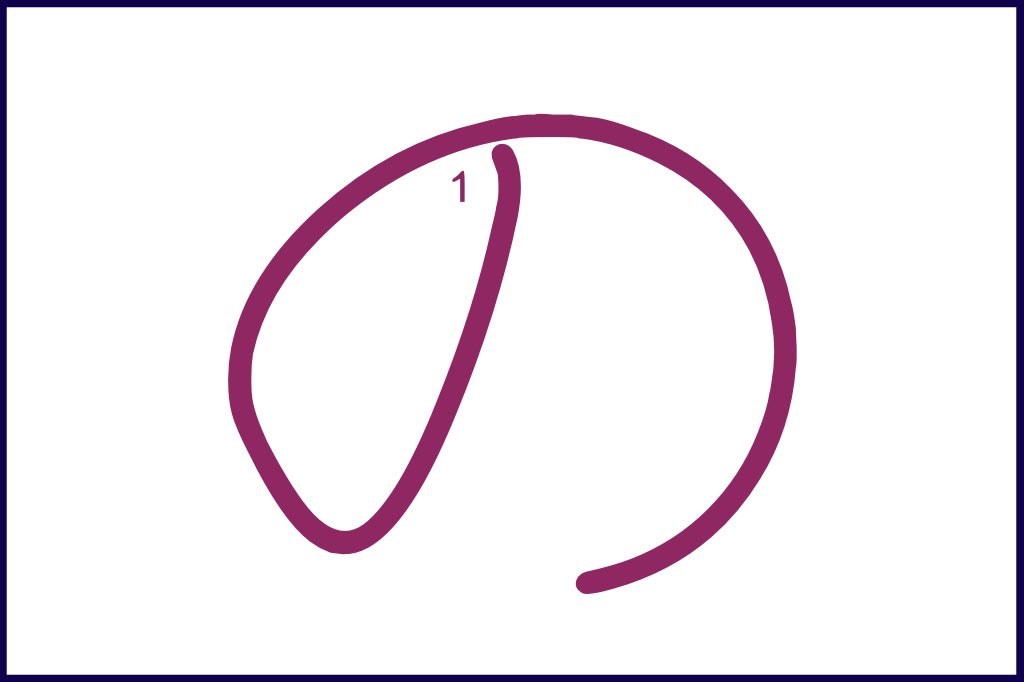
の (no) means “…of…” or “…‘s …” It is a versatile particle mainly used to show possession, belonging, or a descriptive connection between two or more nouns. It can also turn words or clauses into nouns, and when used at the end of a sentence, it adds a soft, explanatory tone in casual speech.
の
no
…of…, …’s …
In this post, you will find all the meanings, functions, and nuances of the Japanese particle の (no). I will show you how to use it and provide plenty of example sentences so you will gain the confidence to translate の by yourself and use it in your own sentences, like a native speaker.
の Means “…of…” in Japanese
Word: の
Romaji: no
Meaning: …of…, …’s …
Type: particle
Class: common, JLPT N5
Formality: neutral, general use
1. English Translations of の
| の |
|---|
| [particle (nounのnoun)] …of…, …’s … marks a (possessive or descriptive) connection between nouns |
| [particle (verb/adjectiveのclause)] (verb)ing (adjective) one turns a verb, adjective, or clause into a noun-like idea |
| [particle (sentenceの。)] adds a tone of explanation, background, or reason |
2. Japanese Meaning of の
の (no) is one of the most common and important particles in Japanese.
It mainly links words together and shows different types of relationships. Although it’s often translated as “…of…” or “…’s …,” its functions go beyond simple possession.
1. Possessive or Descriptive Connection Between Nouns (Possessive)
A) Indicating possession is the most basic use.
- 私の本: my book (book of me)
わたし の ほん, watashi no hon - アレックスの犬: Alex’s dog (dog of Alex)
アレックス の いぬ, Arekkusu no inu - 友だちの猫: my friend’s cat (cat of friend)
ともだち の ねこ, tomo-dachi no neko
Here, the particle の works exactly like ‘s in English.
B) Describing or classifying nouns is a similar, very common function.
- 最後の夏: the last summer (summer of last)
さいご の なつ, saigo no natsu - 学生の部屋: student room (room for students)
がくせい の へや, gakusei no heya - 子どもの本: children’s book (book for children)
こども の ほん, kodomo no hon - 日本のアニメ: Japanese anime (anime from Japan)
にほん の アニメ、nihon no anime
Here, の acts like “of,” “from,” “for,” or even an adjective. You can think of the pattern AのB meaning “B of the main class or main category A.”
2. Turning Verbs, Adjectives, or Clauses into Nouns (Nominalizer)
The particle の can also turn verbs, adjectives, or whole clauses into a noun-like unit.
- 食べるのが好き: I like eating.
たべる の が すき, Taberu no ga suki. - 赤いのが好き: I like the red one.
あかい の が すき, Akai no ga suki. - 大きいのください: The big one, please.
おおきい の ください, Ookii no kudasai. - 歩くのは楽しい: Walking is fun.
あるく の は たのしい, Aruku no ha[wa] tanoshii.
Here, の turns the phrase before it into a “thing” similar to how “-ing” can create a noun (a gerund) in English. You can think of it as “the act of eating” or “the act of walking.” In other cases, の replaces a previously mentioned noun, working like the English word “one.”
3. Adding a tone of explanation, background, or reason (Sentence-End)
Placing の at the end of a sentence adds an emotional, explanatory, or soft tone.
- 暑いの。: It’s hot, you know…
あつい の, Atsui no. - どうしたの?: What’s wrong?
どうした の, Dou shita no? - 来られないのだ。: I cannot come.
こられない の だ, Korarenai no da. - 行きたくないの。: I don’t wanna go.
いきたくない の, Ikitakunai no.
Here, の softens the statements and makes them sound more personal or explanatory.
- at sentence-end: indicates emotional emphasis
- at sentence-end (falling tone): indicates confident conclusion
- at sentence-end (rising tone): indicates question
For women and children, using の at the end is common to indicate emotional emphasis. Men, on the other hand, may use のだ (no da), んだ (n da), のです (no desu), or んです (n desu) for a similar nuance.
How to tell which の it is?
A) NounのNoun → Possessive
If の connects two (or more) nouns and the second noun is the main thing being talked about, it’s almost always possessive の.
B) Verb + の + particle (が/は/を/…) → Nominalizing
If の comes after a verb, adjective, or an entire clause and is then followed by another particle (like が, は, を, に, で, etc.), it’s nominalizing の.
C) Clause + の(だ/です/か) → Explanatory
If の is used at the end of a sentence or clause and nothing or だ, です, か follows, and the sentence feels like giving a reason or explaining something, it’s explanatory の.
3. How to Use の in a Sentence
- (noun) の (noun)
- (noun) の (noun) の (noun)
- (verb) の (sentence)。
- (adjective) の (sentence)。
- (clause) のは (clause)。
- (clause) のが (clause)。
- (clause) のを (clause)。
- (sentence) の。
Example Sentences
| 俺の財宝か? |
|---|
| おれ の ざいほう か? |
| My treasure? |
| Ore no zaihou ka? |
| Gold Roger (One Piece) |
| 二千年後の君へ |
|---|
| にせんねん ご の きみ へ |
| To you, 2,000 years from now |
| Nisen nen go go kimi he [e] |
| Shingeki no Kyojin (Attack on Titan) |
| 夏最後の思い出~✨❤️ |
|---|
| なつ さいご の おもいで ~✨❤️ |
| Summer’s final memory~✨❤️ My final memories of summer~✨❤️ |
| Natsu saigo no omoide ~✨❤️ |
| Free Lesson: J-Pop Stars #4 (ME:I, Kokona) |
| どうして泣いてるの? |
|---|
| どうして ないてる の? |
| Why are you crying? |
| Doushite naiteru no? |
| Mikasa (Attack on Titan) |
| ロマンスドーン 冒険の夜明け |
|---|
| ロマンスドーン ぼうけん の よあけ |
| Romance Dawn: The Adventure’s Dawn Romance Dawn: The Dawn of Adventure |
| Romansu Doon Bouken no Yoake |
| One Piece (Vol. 1, Chapter 1) |
| これは”真の王”が星を救う物語 |
|---|
| これ は ”しん の おう” が ほし を すくう ものがたり |
| This is the tale of the “True King” saving our star This is the story of the “True King” saving our planet |
| Kore ha [wa] “Shin no Ou” ga hoshi wo [o] sukuu monogatari |
| Final Fantasy XV |
| この恋の魔法のせいにすればいい |
|---|
| この こい の まほう の せい に すれば いい |
| It’s fine to blame the magic of this love |
| Kono koi no mahou no sei ni sureba ii |
| ♪ MAZZEL ~ Fantasy |
| この世の全てをそこに置いてきた |
|---|
| この よ の すべて を そこ に おいて きた |
| Everything in this world I left there. |
| Kono zo no subete wo [o] soko ni oite kita |
| Gold Roger (One Piece) |
| かつて この世の全てを手に入れた男 |
|---|
| かつて この よ の すべて を て に いれた おとこ |
| A man who once obtained everything in this world A man who once obtained everything this world offers A man who once got his hands on everything in this world |
| Katsute Kono yo no subete wo [o] te ni ireta otoko |
| One Piece (Narration) |
| 鳥籠の中に囚われていた屈辱を…… |
|---|
| とりかご の なか に とらわれていた くつじょく を…… |
| The humiliation of being caged like birds…… |
| Torikage no naka ni torawareteita kutsujoku wo [o] …… |
| Shingeki no Kyojin (Attack on Titan) |
| 本日発表されましたAAAのファンミーティングについてですが… |
|---|
| ほんじつ はっぴょう されました トリプル・エー の ファンミーティング について ですが… |
| About the AAA fan meeting that was announced today… Regarding AAA’s fan meeting, which was announced today… |
| Nissy (former AAA member) |
More examples will be added in the future…
Advanced Example Sentences
| 彼の死に際に放った一言は全世界の人々を海へ駆り立てた |
|---|
| かれ の しにぎわ に はなった ひとこと は ぜんせかい の ひとびと を うみ へ かりたてた |
| The remark he fired at the moment of his death drove people all over the world out to sea. |
| Kare no shi ni giwa ni hanatta hitokoto ha [wa] zensekai no hitobito wo [o] umi he [e] karitateta |
| One Piece (Narrator) |
| 「なわ」と「棒」は、人間のいるところならば、どこにでもいた。 |
|---|
| 「なわ」と「ぼう」は、にんげん の いる ところ ならば、どこにでも いた。 |
| As long as humans were there, the “rope” and “stick” were everywhere. |
| “Nawa” to “bou” ha [wa], ningen no iru tokoro naraba, doko ni demo ita. |
| Death Stranding |
| 「なわ」は、「棒」とならんで、もっとも古い人間の「道具」の一つだった。 |
|---|
| 「なわ」 は、 「ぼう」 と ならんで、もっとも ふるい にんげん の 「どうぐ」 の ひとつ だった。 |
| The “rope”, alongside the “stick”, was one of humanity’s oldest tools. |
| “Nawa” ha [wa], “bou” to narande, mottomo furui ningen no “dougu” no hitotsu datta. |
| Death Stranding |
| 「棒」は、悪い空間を遠ざけるために、「なわ」は、善い空間を引きよせるために、人類が発明した、最初の友達だった。 |
|---|
| 「ぼう」は、わるい くうかん を とおざける ため に、「なわ」は、よい くうかん を ひきよせる ため に、じんるい が はつめい した、さいしょ の ともだち だった。 |
| The “stick” to keep away the evil, the “rope” to attract the good, they were our very first friends, invented by humanity. |
| “Bou” ha [wa], warui kuukan o toozakeru tame ni, “nawa” ha [wa], yoi kuukan o hikiyoseru tame ni, jinrui ga hatsumei shita, saisho no tomodachi datta. |
| Death Stranding |