んす (n su) is a very casual spoken contraction, mainly used in informal conversation to soften statements, seek confirmation, or add an explanatory tone. It comes from のです (no desu), which is shortened in speech as のです → んです → んす. It’s typically used by young men and rarely used in writing.
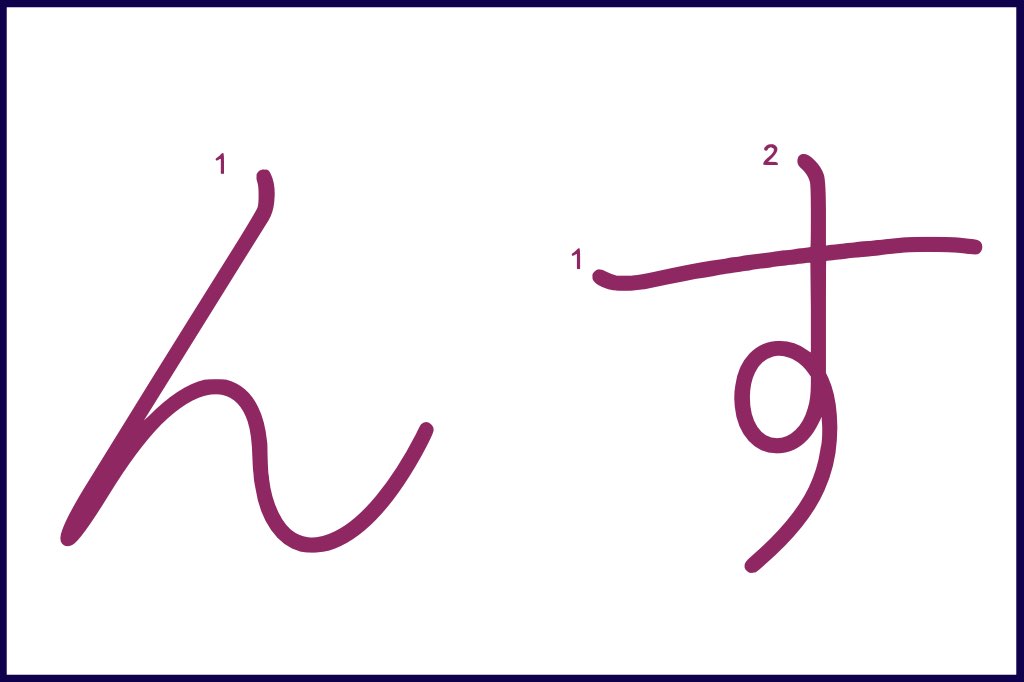
んす
n su
adds a casual, soft, explanatory tone
In this post, you will learn the full meaning and real-life usage of the Japanese expression んす (n su). I will explain where this casual spoken form comes from, what it adds to a sentence, and when Japanese speakers use it naturally in conversation. The example sentences I provide will help you understand and use んす naturally and confidently.
んす Adds a Casual Explanatory Tone in Japanese
Word: んす
Romaji: n su
Meaning: adds a casual, soft, explanatory tone
Type: set expression
Class: spoken contraction
Formality: casual language, slang
1. English Translations of んす
| んす |
|---|
| [expression] the expectation is that …, the explanation is that …, it is that …, the reason is that …, the fact is that … used to soften statements, seek confirmation, or add an explanatory tone |
2. Japanese Meaning of んす
んす (n su) is a very informal spoken contraction used in Japanese to soften a statement, seek confirmation, or add a casual explanatory tone.
It is most commonly heard in informal conversation, especially among young men.
It is a contracted form of のです (no desu), an explanatory sentence ending used to give reasons, add background information, or seek confirmation from the listener.
The contraction follows this natural spoken progression:
のです → んです → んす(or っす)
In everyday speech, の is shortened to ん, and です is reduced to す or っす, resulting in んす.
This shortening makes the sentence sound more relaxed, conversational, and less stiff than standard Japanese.
Functionally, んす adds an explanatory or confirming tone to a statement. It often implies “the situation is that…”, “I’m explaining that…”, or “just to confirm…”.
Because of this, it is frequently used when checking whether something is okay, giving a reason, or softening a direct statement.
Compared to んです (n desu), んす sounds more casual and youthful. Compared to dropping the explanatory ending entirely, it still retains a slight sense of politeness or consideration toward the listener.
This balance is why it can be heard in friendly speech, club settings, sports teams, and anime dialogue.
However, んす is almost never used in writing and is inappropriate in formal situations, polite customer service, or respectful speech toward seniors unless the relationship is very relaxed.
Depending on tone, it can sound friendly and laid-back, or blunt and slightly rough.
In anime and manga, んす is often used to characterise energetic, casual, or boyish speakers.
Understanding んす is important for listening comprehension and tone awareness, but learners should be cautious about using it actively until they are comfortable with Japanese social nuance.
3. How to Use んす in a Sentence
- (sentence) んす。
- (sentence) んすね。
- (sentence) んすよ。
Example Sentences
| 本当にいいんすね? |
|---|
| ほんとう に いい ん す ね? |
| It’s really okay, isn’t it? We’re really good to go, right? Just to be clear, it’s okay, yeah? You’re really okay with this, right? |
| Hontou ni ii n su ne? |
| Free Lesson: Anime #1 (Jujutsu Kaisen, Yuji) |
More examples will be added in the future…