
きびだんご (kibidango) is the name of a traditional Japanese sweet that translates as “millet dumplings” in English. It is made from millet flour or rice flour mixed with sugar and shaped into small, soft dumplings. Kibidango is famous from the folk tale Momotaro and a popular souvenir from Okayama.
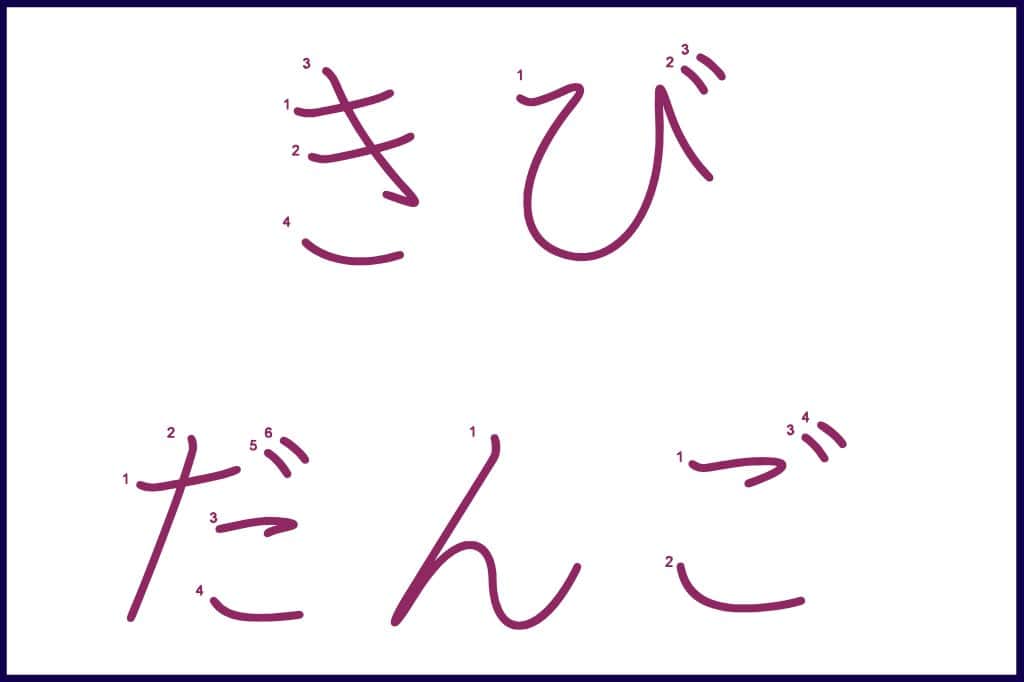
きびだんご
kibidango
kibidango (millet dumplings)
In this post, you will learn the full meaning and usage of the Japanese word きびだんご (kibidango). I will explain how this noun is used in Japanese sentences to refer to the traditional Japanese sweet, and provide plenty of examples to help you understand and use きびだんご naturally and confidently.
きびだんご Means “Kibidango” or “Millet Dumplings” in Japanese
Word: きびだんご
Romaji: kibidango
Meaning: kibidango (millet dumplings)
Type: noun
Class: sweet/food name
Formality: neutral, general use
1. English Translations of きびだんご
| きびだんご |
|---|
| [noun] kibidango, millet dumplings name of Japanese food sweet dumpling made from millet flour and sugar (famous product of Okayama) |
2. Japanese Meaning of きびだんご
きびだんご (kibidango) refers to a traditional Japanese sweet made from millet flour or rice flour mixed with sugar and shaped into small, soft dumplings.
The word comes from
- きび (kibi) meaning “millet“
- だんご (dango) meaning “dumpling“
きびだんご is especially famous in Japanese culture because it appears in the folk tale Momotaro, where the hero uses it to befriend his animal companions.
Today, the traditional sweet is strongly associated with Okayama, where it is sold as a popular local souvenir.
In Japanese, きびだんご is used as a common noun referring to the food itself and often appears in conversations about traditional sweets, regional specialities, folklore, and Okayama (岡山, おかやま).
Like with other nouns, きびだんご can take either the polite copula です (desu) or the casual copula だ (da). Using です makes your sentence sound more formal, polite, or respectful. Using だ sounds more casual, direct, and natural in everyday conversation with close friends and family.
- Formal situations: きびだんごです
- Casual situations: きびだんごだ
3. How to Use きびだんご in a Sentence
- きびだんごは (sentence)。
- きびだんごが (sentence)。
- きびだんごを (sentence)。
- (sentence) きびだんごだ。
- (sentence) きびだんごです。
Example Sentences
| 昨日岡山できびだんご食べた🤓 |
|---|
| きのう おかやま で きびだんご たべた 🤓 |
| I ate kibidango in Okayama yesterday 🤓 I had kibidango in Okayama yesterday 🤓 Yesterday, I ate kibidango in Okayama 🤓 |
| Kinou Okayama de kibidango tabeta 🤓 |
| Free Lesson: J-Pop Stars #7 (DXTEEN, Ken) |
More examples will be added in the future…