
いい (ii) means “good“, “nice“, or “okay“. It’s a common i-adjective used to show approval, permission, or a positive evaluation. Depending on context, it can mean something is acceptable, allowed, enjoyable, or of good quality. It’s widely used in everyday speech and taught at the JLPT N5 level.
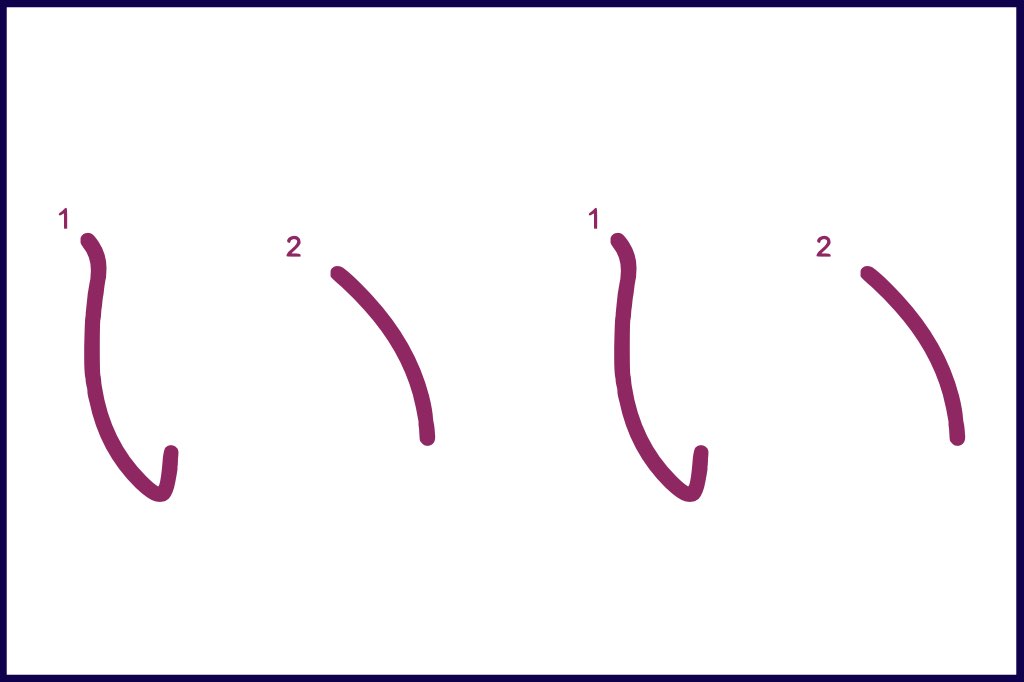
いい
ii
good, nice, okay
In this post, you will learn the full meaning and common uses of the Japanese word いい (ii). I will explain how this very common and versatile i-adjective is used in different situations, and provide plenty of example sentences to help you understand and use いい naturally and confidently.
いい Means “Good” or “Nice” in Japanese
Word: いい
Romaji: ii
Meaning: good, nice, okay
Type: i-adjective
Class: common, JLPT N5
Formality: neutral, general use
1. English Translations of いい
| いい |
|---|
| [adjective] good, fine, nice, excellent, pleasant, acceptable, agreeable |
| [adjective] sufficient, enough, ready, prepared |
| [adjective] benefiical, profitable (deal, business offer, etc.) |
| [adjective] OK, all right, fine, no problem |
2. Japanese Meaning of いい
いい (ii) means “good,” “okay,” “fine,” or “acceptable“.
It is one of the most common and versatile adjectives in Japanese.
While it is often translated as “good” or “okay”, its actual meaning changes depending on context, tone, and situation.
In general, いい expresses positive evaluation. This can include judging something as good in quality, pleasant, useful, convenient, or emotionally satisfying.
For example, it can describe something that looks nice, feels enjoyable, or works well for the speaker.
いい is also frequently used to express permission or acceptance. In this usage, it means that something is allowed, acceptable, or fine to proceed with.
Because of this, いい often appears in questions and confirmations, especially when someone is checking whether an action is okay.
In everyday spoken Japanese, いい is extremely flexible and often replaces longer English expressions such as “that’s fine”, “that works”, “no problem”, or “I’m okay with it”.
Another important point is that いい can sometimes mean “no” depending on context. When said firmly or politely in response to an offer, いいです (ii desu) can mean “I’m okay” or “No, thank you”.
3. How to Use いい in a Sentence
- (sentence) はいい。
- (sentence) がいい。
- (sentence) でいい。
- (sentence) いいです。
- (sentence) てもいい。
- (sentence) ていいですか?
Example Sentences
| 本当にいいんすね? |
|---|
| ほんとう に いい ん す ね? |
| It’s really okay, isn’t it? We’re really good to go, right? Just to be clear, it’s okay, yeah? You’re really okay with this, right? |
| Hontou ni ii n su ne? |
| Free Lesson: Anime #1 (Jujutsu Kaisen, Yuji) |
| この恋の魔法のせいにすればいい |
|---|
| この こい の まほう の せい に すれば いい |
| It’s fine to blame the magic of this love |
| Kono koi no mahou no sei ni sureba ii |
| ♪ MAZZEL ~ Fantasy |
More examples will be added in the future…