Are you a Demon Slayer (鬼滅の刃) fan who wants to learn Japanese anime and manga vocabulary? In this post, I will help you learn 25 beginner-friendly Japanese words taken directly from the Kimetsu no Yaiba series. These vocabulary words appear again and again in the anime and manga, making them perfect for beginners.
Beginner-friendly words from Demon Slayer include everyday vocabulary, such as Oni (鬼, demon), tasukeru (助ける, to help), arigatou (ありがとう, thanks), abunai (危ない, dangerous), and yama (山, mountain). Learning these beginner words helps you build a strong foundation in Japanese in a fun, natural way.
Below, you will find the first 25 useful beginner Japanese words you encounter when watching the anime or reading the manga, explained with clear meanings, usage notes, and cultural context. Each word brings you one step closer to understanding Kimetsu no Yaiba in Japanese and reading manga without relying on translations.
So let’s start learning Japanese with Demon Slayer!
25 Beginner Japanese Words from Demon Slayer
- Name: Demon Slayer
- Anime: S1, Episode 1
- Manga: Vol. 1, Chapter 1
- Japanese Level: Beginner
- Japanese Name: 鬼滅の刃 (きめつ の やいば)
1. Oni (鬼)
- Word: 鬼
- Kana: おに
- Romaji: oni
- Meaning: demon
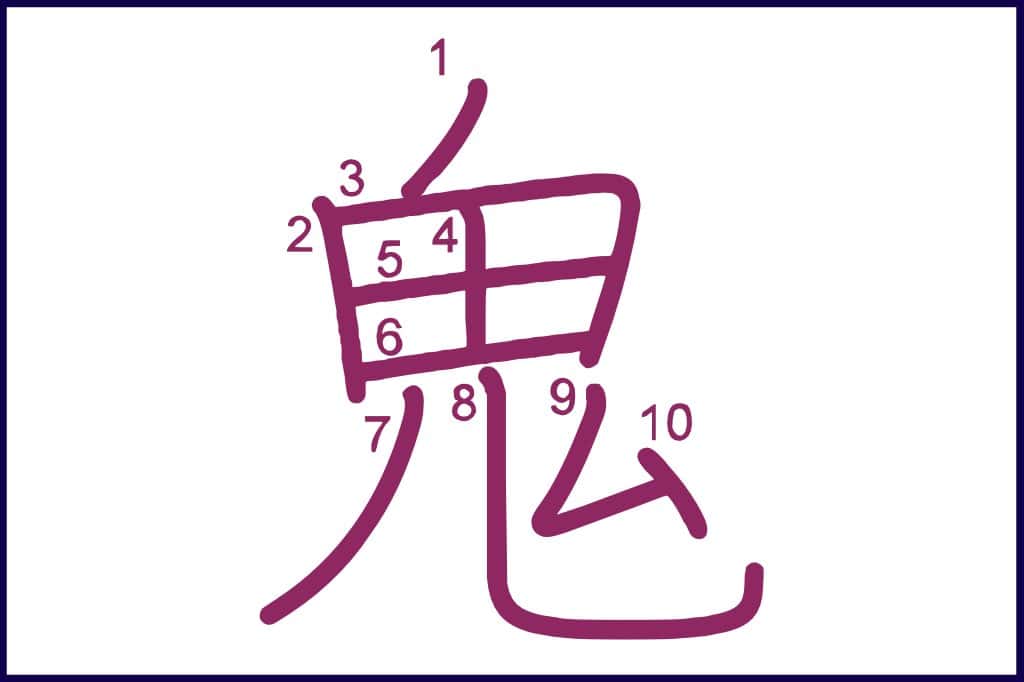
| 鬼 |
|---|
| demon, ogre, devil ogre-like person (i.e. fierce, relentless, merciless, etc.) |
鬼 (おに, oni) means “demon” or “ogre” in Japanese.
In Japanese folklore, oni (鬼, おに) are mythical creatures often depicted as large, frightening beings with horns, sharp teeth, wild hair, and immense strength. They are usually shown carrying a large club and wearing clothing made from tiger skin.
Traditionally, oni (鬼, おに) symbolize danger, violence, punishment, or something people fear. They often appear in legends, fairy tales, and traditional festivals.
In modern Japanese, the word oni (鬼, おに) can also be used metaphorically to describe someone who is extremely strong, strict, or skilled, similar to how English uses words like “monster” or “beast“.
In Kimetsu no Yaiba (鬼滅の刃, きめつ の やいば), oni (鬼, おに) are supernatural beings that eat humans and possess unnatural strength and abilities.
2. Yaiba (刃)
- Word: 刃
- Kana: やいば
- Romaji: yaiba
- Meaning: blade
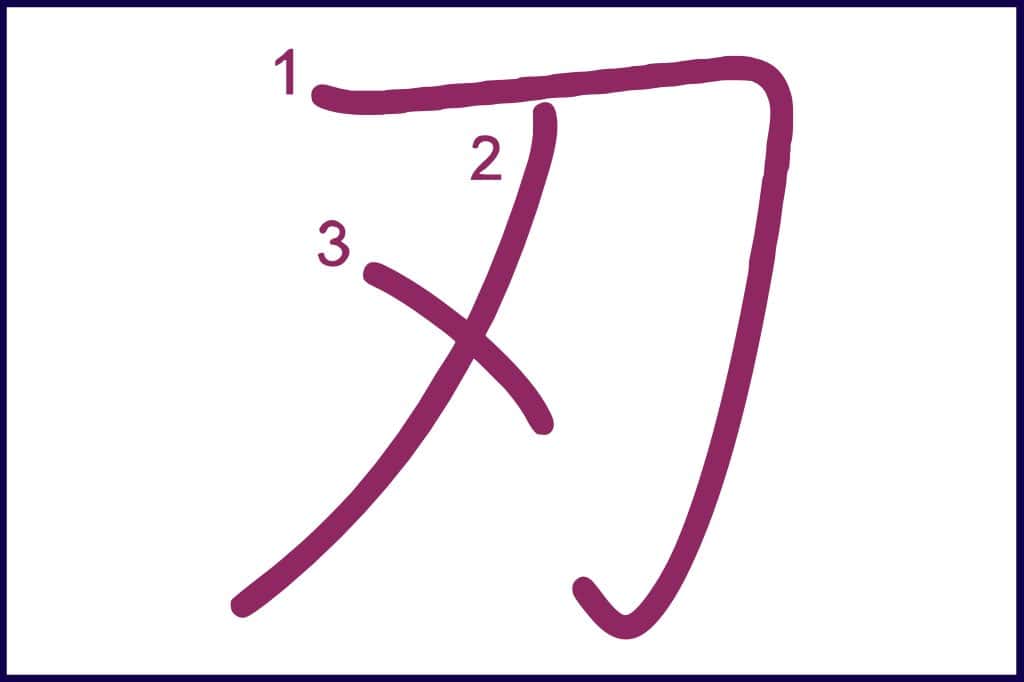
| 刃 |
|---|
| blade, sword forged blade sharpness |
刃 (やいば, yaiba) means “blade” or “sword” in Japanese.
It refers to the sharp cutting part of a knife, sword, or similar tool.
Traditionally, yaiba (刃, やいば) is associated with weapons such as swords and knives, especially in historical and samurai contexts.
In modern Japanese, it is also used metaphorically to describe sharp words, danger, or something that can hurt people emotionally or physically.
3. Shinu (死ぬ)
- Word: 死ぬ
- Kana: しぬ
- Romaji: shinu
- Meaning: to die
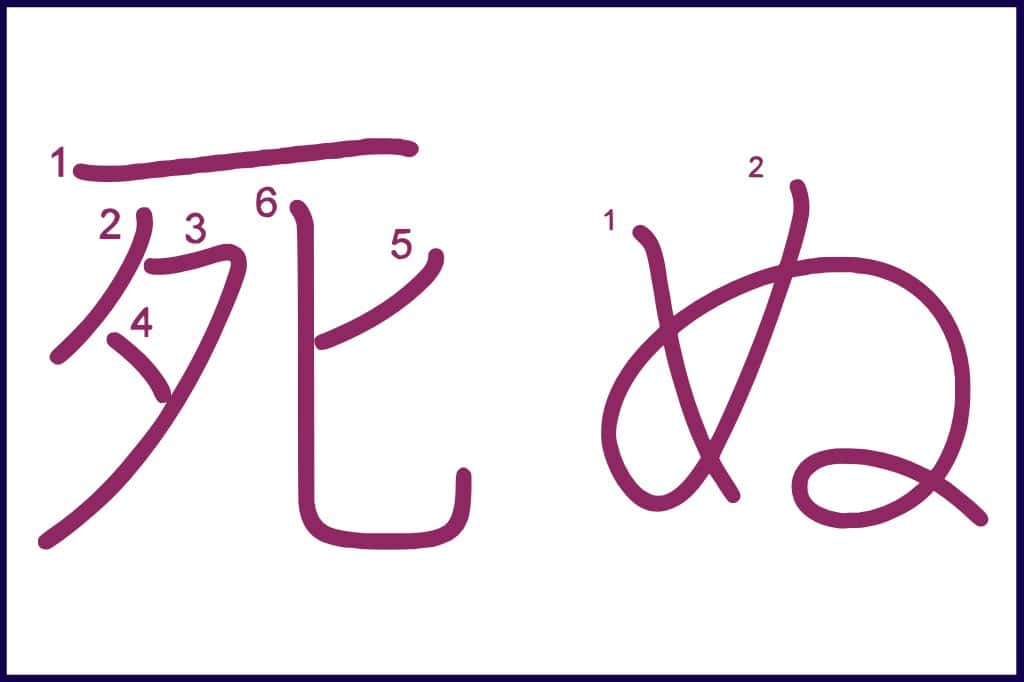
| 死ぬ |
|---|
| to die, to pass away |
死ぬ (しぬ, shinu) means “to die” or “to pass away” in Japanese.
Shinu (死ぬ, shinu) is a verb used to describe the end of life for people, animals, or fictional characters.
Because of its seriousness, it is sometimes avoided in polite conversation, where softer expressions are used instead.
In stories, anime, and manga, shinu (死ぬ, shinu) is commonly used to express tragedy, sacrifice, or danger.
In casual speech, it can appear in exaggerated expressions that are not meant literally, like “I’m dying“.
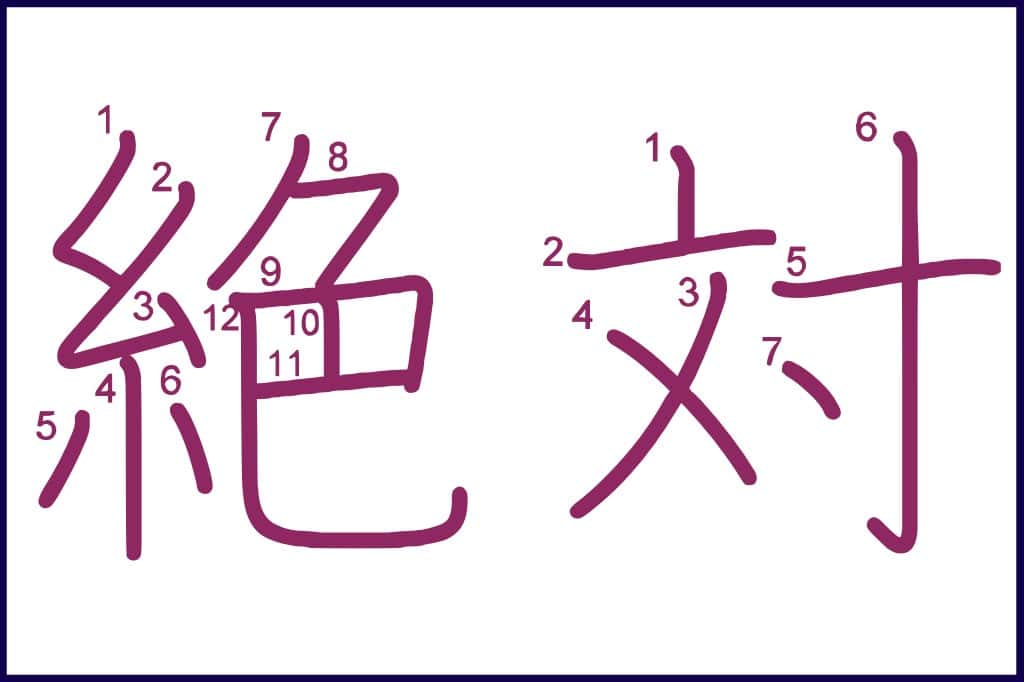
4. Zettai (絶対)
- Word: 絶対
- Kana: ぜったい
- Romaji: zettai
- Meaning: absolutely
| 絶対 |
|---|
| definitely, absolutely |
絶対 (ぜったい, zettai) means “absolutely” or “definitely” in Japanese.
Zettai (絶対, ぜったい) expresses strong certainty, determination, or refusal.
The word is often used to emphasize promises, rules, or firm opinions.
In negative sentences, it commonly means “never”.
Zettai (絶対, ぜったい) can also be used in everyday conversation to show strong feelings.
Depending on tone, it can sound confident, stubborn, or emotional.
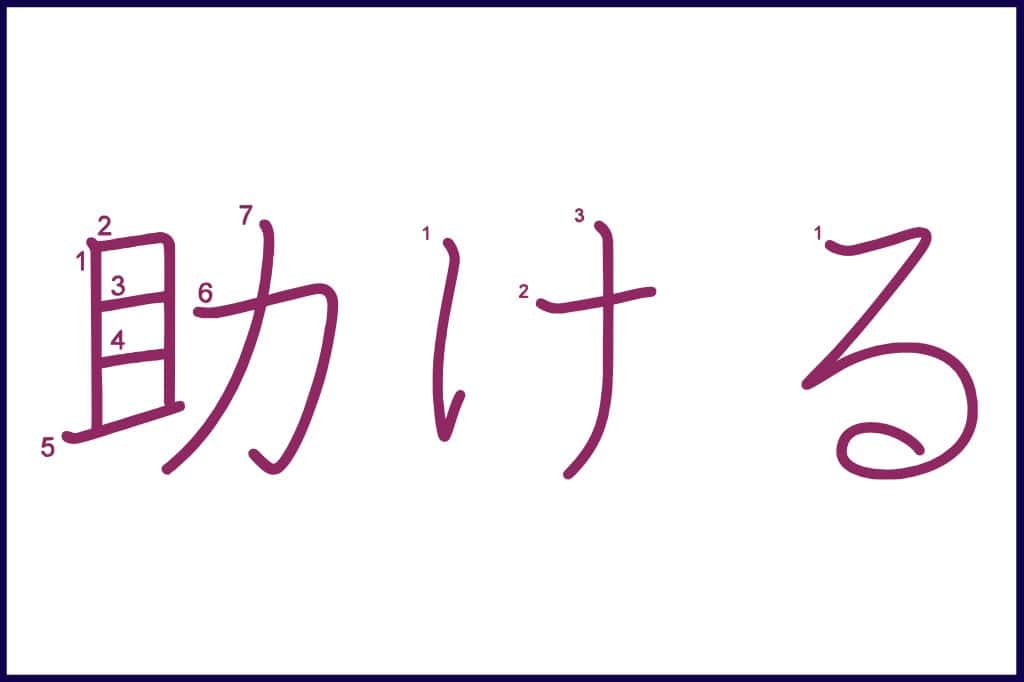
5. Tasukeru (助ける)
- Word: 助ける
- Kana: たすける
- Romaji: tasukeru
- Meaning: to save, to help
| 助ける |
|---|
| to save, to rescue to help, to assist |
助ける (たすける, tasukeru) means “to save” or “to help” in Japanese.
Tasukeru (助ける, tasukeru) is used when helping someone who is in trouble, danger, or need. The word can describe physical rescue, emotional support, or practical help.
In anime and stories, tasukeru (助ける, tasukeru) is often connected to themes of friendship, kindness, and heroism.
In daily life, it is commonly used for simple acts of help.
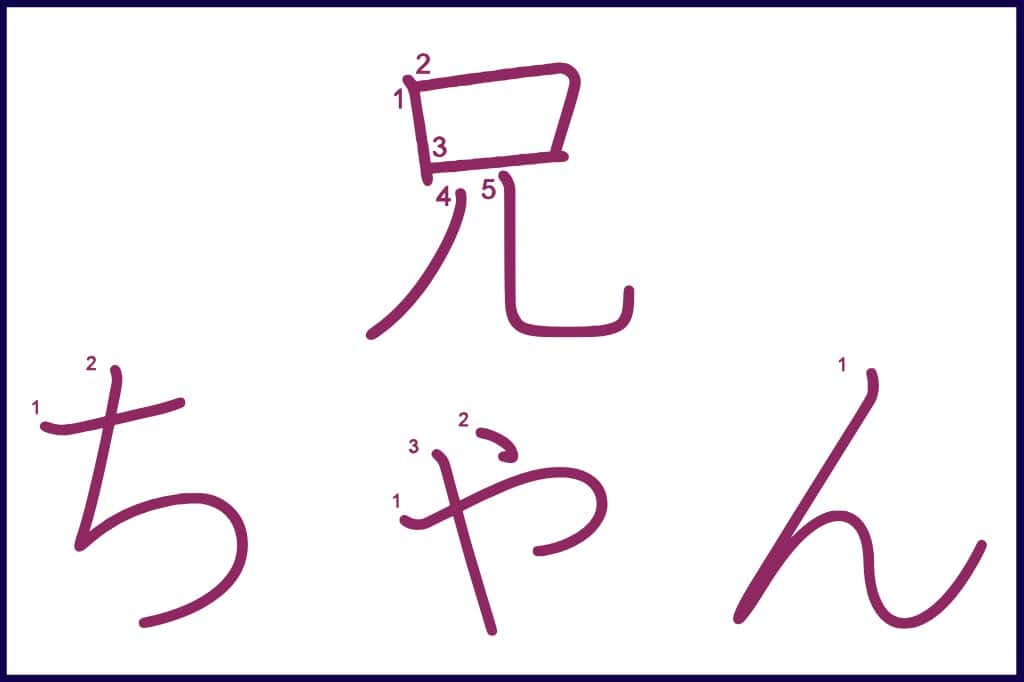
6. Nii-chan (兄ちゃん)
- Word: 兄ちゃん
- Kana: にいちゃん
- Romaji: nii-chan
- Meaning: older brother
| 兄ちゃん |
|---|
| (one’s) older brother young man, sonny, lad |
兄ちゃん (にいちゃん, nii-chan) means “older brother” when calling or talking to him, casually and affectionately.
Nii-chan (兄ちゃん, にいちゃん) is often used by younger siblings or children when addressing their elder brother.
The word can also be used informally to refer to a young man, similar to “sonny” or “young lad” in English.
It sounds warm and familiar, but it is not polite, so it should not be used in formal situations.
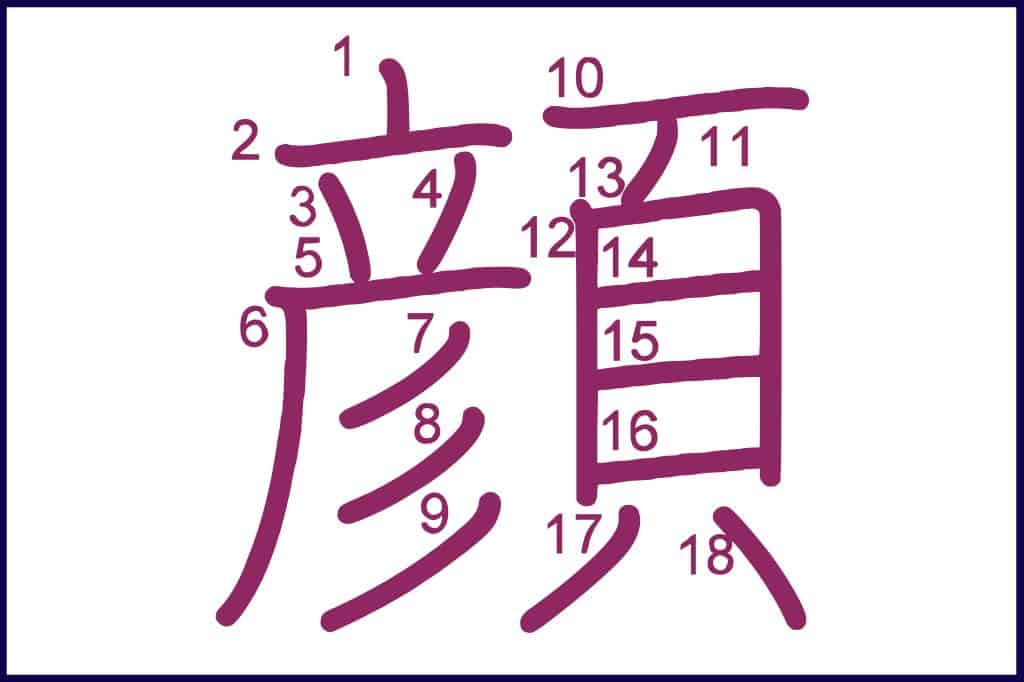
7. Kao (顔)
- Word: 顔
- Kana: かお
- Romaji: kao
- Meaning: face
| 顔 |
|---|
| face, visage look, expression |
顔 (かお, kao) means “face” in Japanese.
Kao (顔, かお) refers to a person’s physical face and facial expressions, but it is also used metaphorically.
In Japanese, kao (顔, かお) can mean reputation, honor, or social image.
Many expressions use the word kao (顔, かお) to describe emotions, relationships, or social standing.
It is a very common word in both spoken and written Japanese.
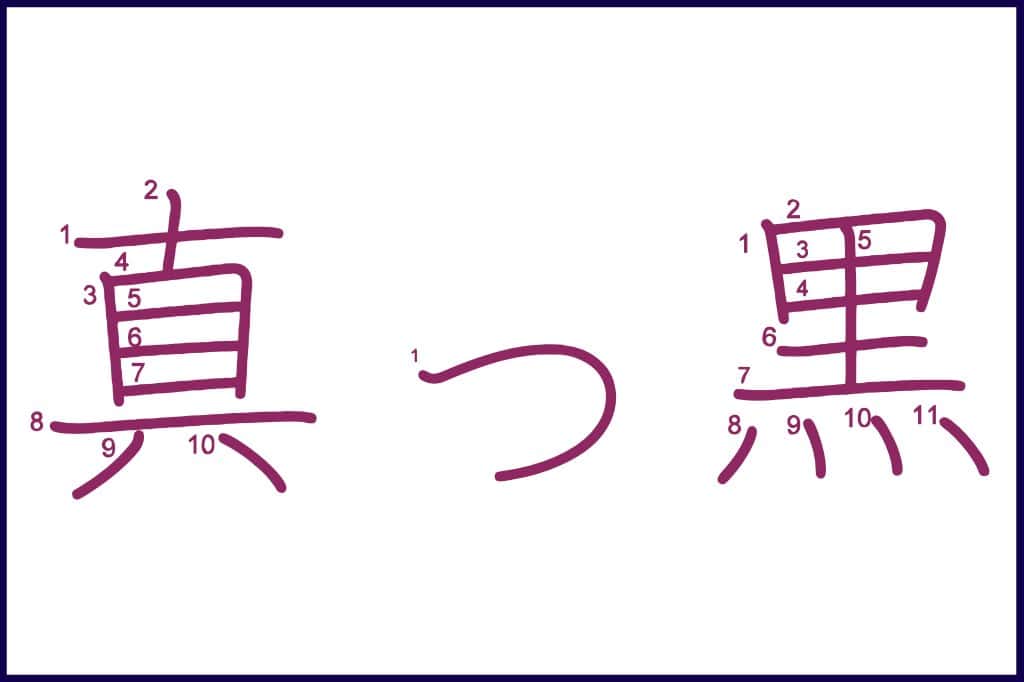
8. Makkuro (真っ黒)
- Word: 真っ黒
- Kana: まっくろ
- Romaji: makkuro
- Meaning: pitch black
| 真っ黒 |
|---|
| pitch black, coal-black, jet-black |
真っ黒 (まっくろ, makkuro) means “pitch black” or “coal-black” in Japanese.
The prefix 真っ (まっ, ma…) emphasizes totality, meaning “completely black” or “pure black”.
It is used for colors, objects, or darkness.
Metaphorically, makkuro (真っ黒, まっくろ) can describe guilt, corruption, or something suspicious.
It is often used in dramatic or emotional descriptions.
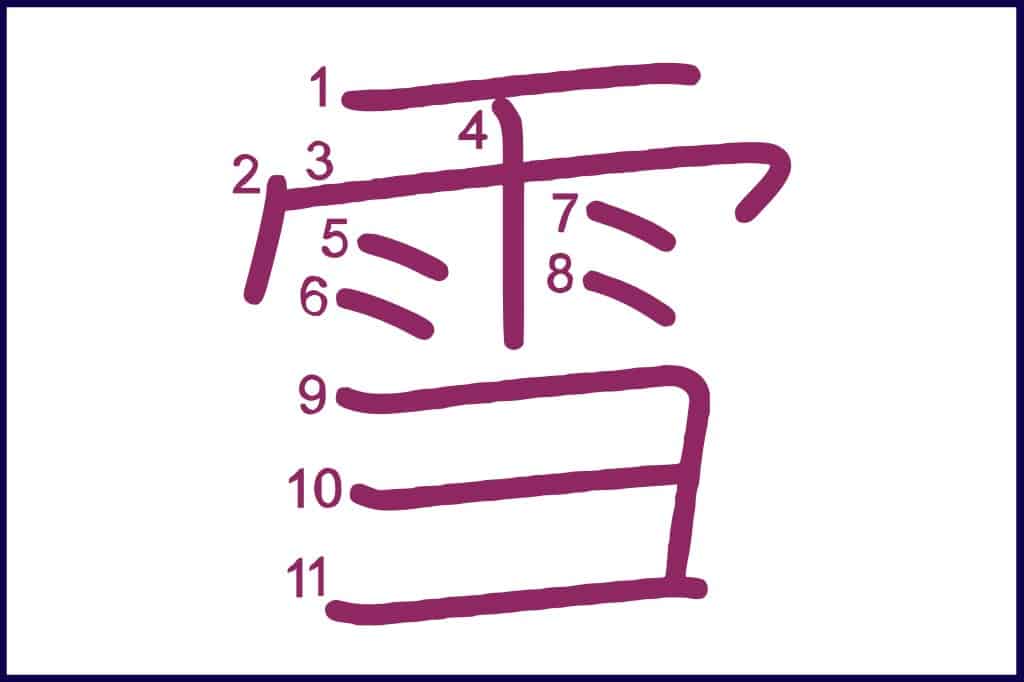
9. Yuki (雪)
- Word: 雪
- Kana: ゆき
- Romaji: yuki
- Meaning: snow
| 雪 |
|---|
| snow |
雪 (ゆき, yuki) means “snow” in Japanese.
Yuki (雪, ゆき) refers to snow itself or snowy weather.
It is strongly associated with winter, cold weather, and seasonal imagery in Japanese culture.
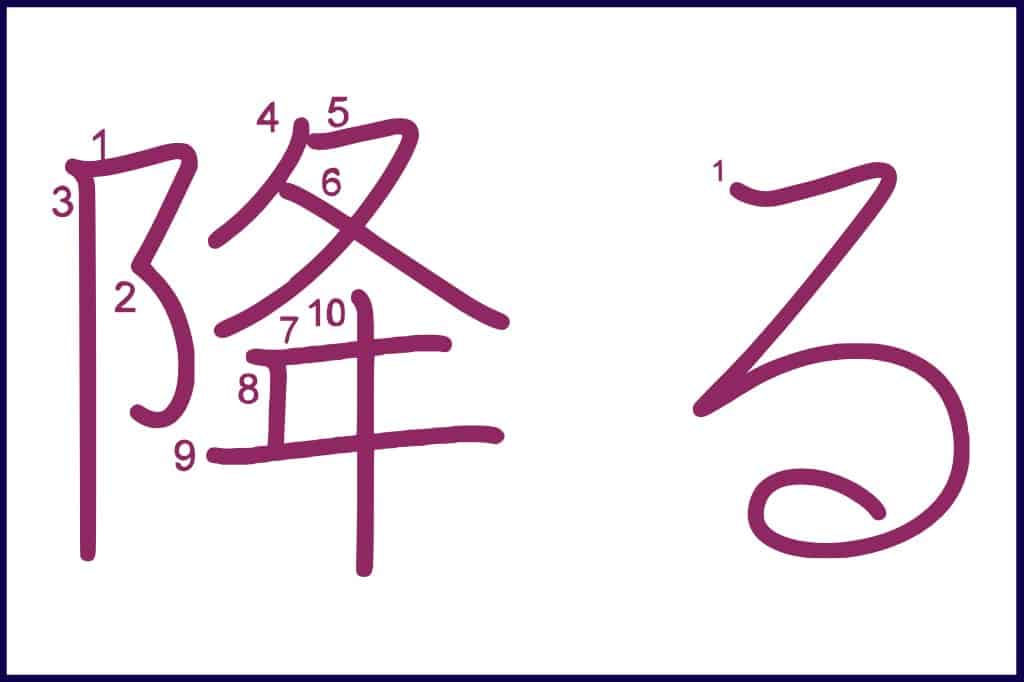
10. Furu (降る)
- Word: 降る
- Kana: ふる
- Romaji: furu
- Meaning: to fall (of rain, etc.)
| 降る |
|---|
| to fall (of rain, snow, ash, etc.), to come down |
降る (ふる, furu) means “to fall,” mainly used for rain, snow, or other things falling from the sky.
Furu (降る, ふる) is commonly paired with words like yuki (雪, ゆき) or ame (雨, あめ).
The verb can also be used metaphorically to describe things like luck or problems “falling” onto someone.
It is a basic and very common verb.
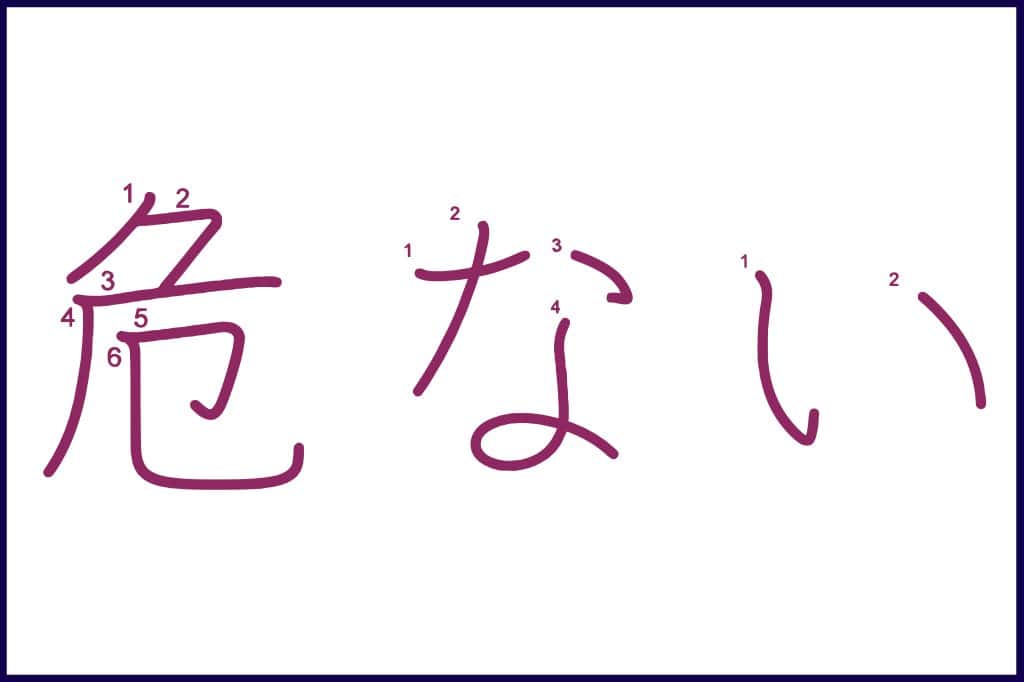
11. Abunai (危ない)
- Word: 危ない
- Kana: あぶない
- Romaji: abunai
- Meaning: dangerous
| 危ない |
|---|
| dangerous, risky, precarious close (call), narrow (escape) |
危ない (あぶない, abunai) means “dangerous” in Japanese.
Abunai (危ない, あぶない) is used to warn someone about risk, danger, or unsafe situations.
The word is often shouted as a warning.
It can also mean “close call” or “that was close“, like when something almost goes wrong.
It is a very common adjective.
12. Shougatsu (正月)
- Word: 正月
- Kana: しょうがつ
- Romaji: shougatsu
- Meaning: New Year
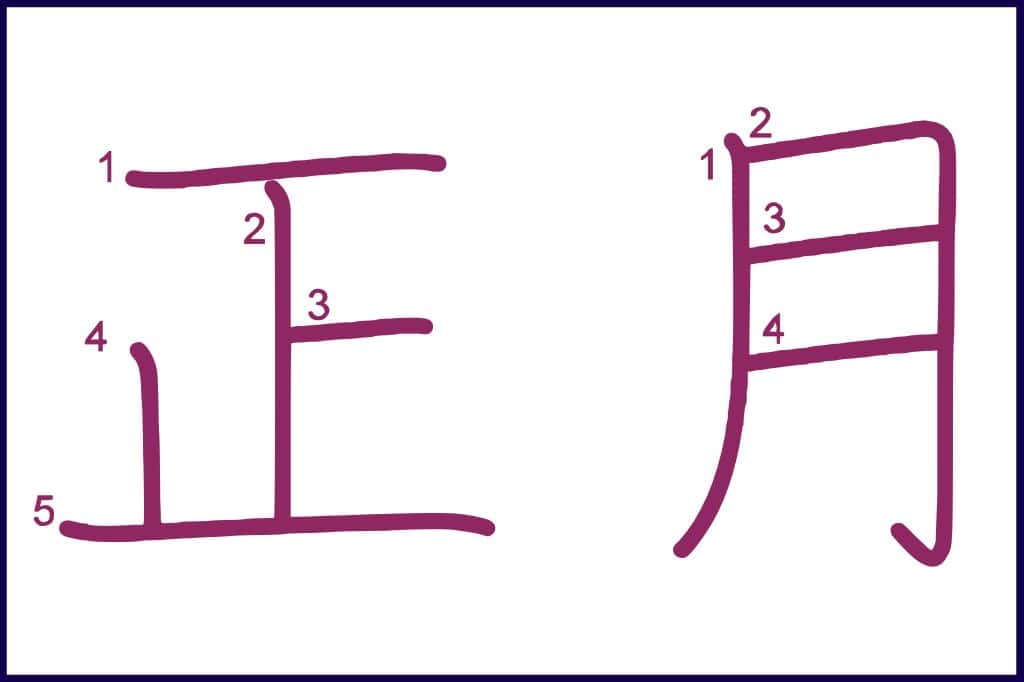
| 正月 |
|---|
| New Year (esp. first three days) |
正月 (しょうがつ, shougatsu) means “New Year” in Japanese.
Shougatsu (正月, しょうがつ) refers to one of the most important holidays in Japan.
It usually covers the first few days of January, when families gather, eat traditional food, rest, celebrate, and spend time together.
Many businesses close during this time, and daily life slows down.
The word represents tradition, family, New Year’s food, and beginning the new year with gratitude and hope.
13. Sumi (炭)
- Word: 炭
- Kana: すみ
- Romaji: sumi
- Meaning: charcoal
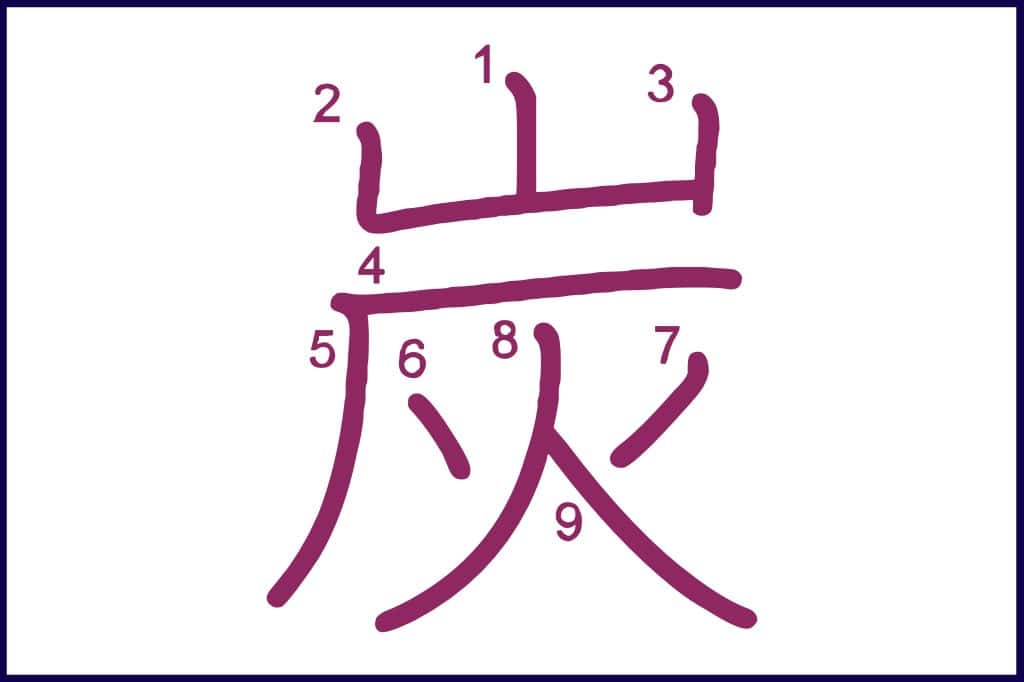
| 炭 |
|---|
| charcoal |
炭 (すみ, sumi) means “charcoal” in Japanese.
It is made by burning wood slowly in a low-oxygen environment and has been used in Japan for centuries.
Traditionally, sumi (炭, すみ) was an important fuel for cooking, heating, and metalwork. It is still commonly used for grilling, especially in foods like yakitori.
In a broader sense, the word can evoke images of traditional life, simplicity, and a close connection to nature.
14. Uru (売る)
- Word: 売る
- Kana: うる
- Romaji: uru
- Meaning: to sell
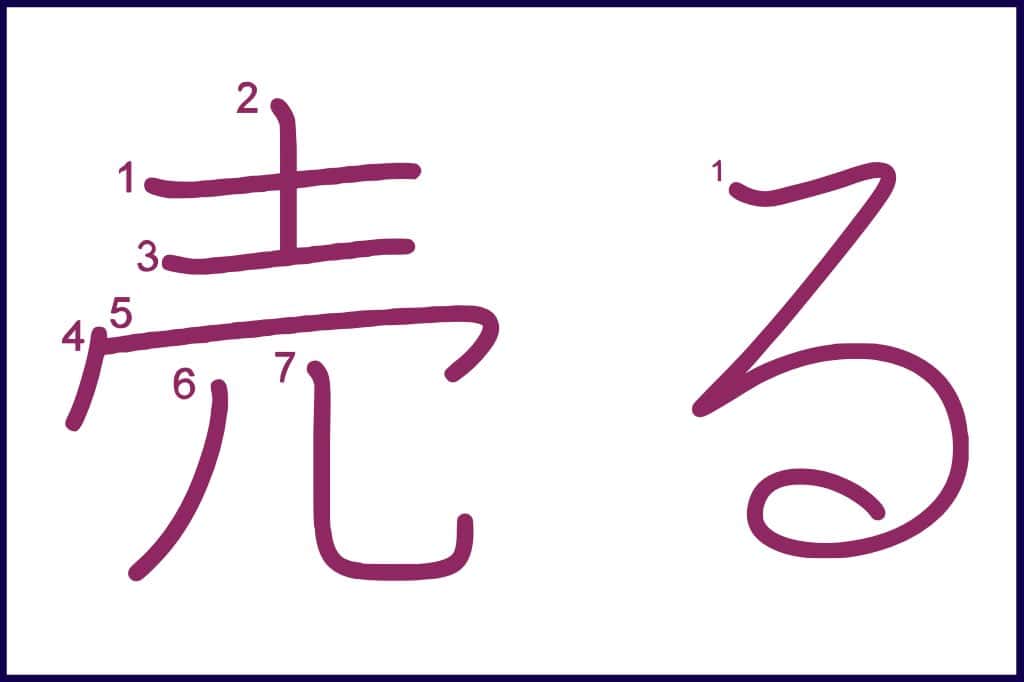
| 売る |
|---|
| to sell to betray, to sell out (one’s friend, country, etc.) |
売る (うる, uru) means “to sell” in Japanese.
Uru (売る, うる) is used in everyday situations such as shopping, business, and markets, when giving goods or services to someone in exchange for money.
The verb can be used for physical items like food, clothes, or books, as well as for services.
In a more figurative sense, uru (売る, うる) can also mean betraying someone, exposing secrets, or “selling out” one’s values.
15. Arigatou (ありがとう)
- Word: ありがとう
- Romaji: arigatou
- Meaning: thanks
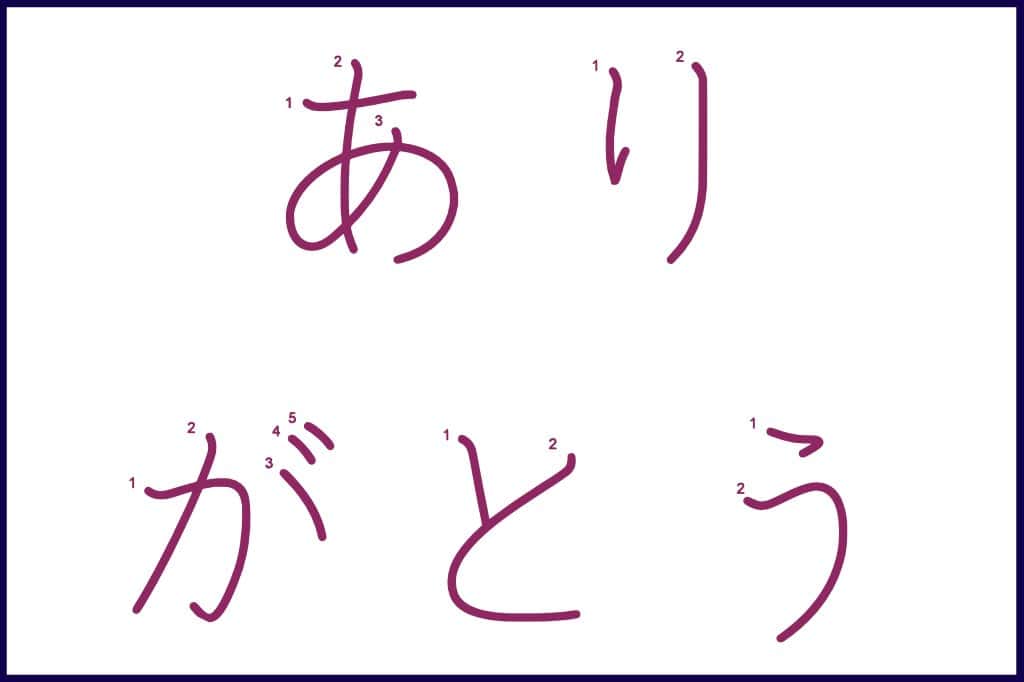
| ありがとう |
|---|
| thanks, thank you |
ありがとう (arigatou) means “thanks” or “thank you” in Japanese.
Arigatou (ありがとう) is used to express gratitude and appreciation in casual situations, with close friends, or family.
It is the casual form of arigatou gozaimasu (ありがとうございます), which is commonly used in formal situations.
In Japanese culture, saying arigatou (ありがとう) is very important, as it helps maintain harmony and shows respect for others.
The word is often used not only for big favors, but also for small, everyday kindnesses. It carries a warm and positive feeling and is one of the first words learners encounter.
16. Dame (だめ)
- Word: だめ
- Romaji: dame
- Meaning: cannot
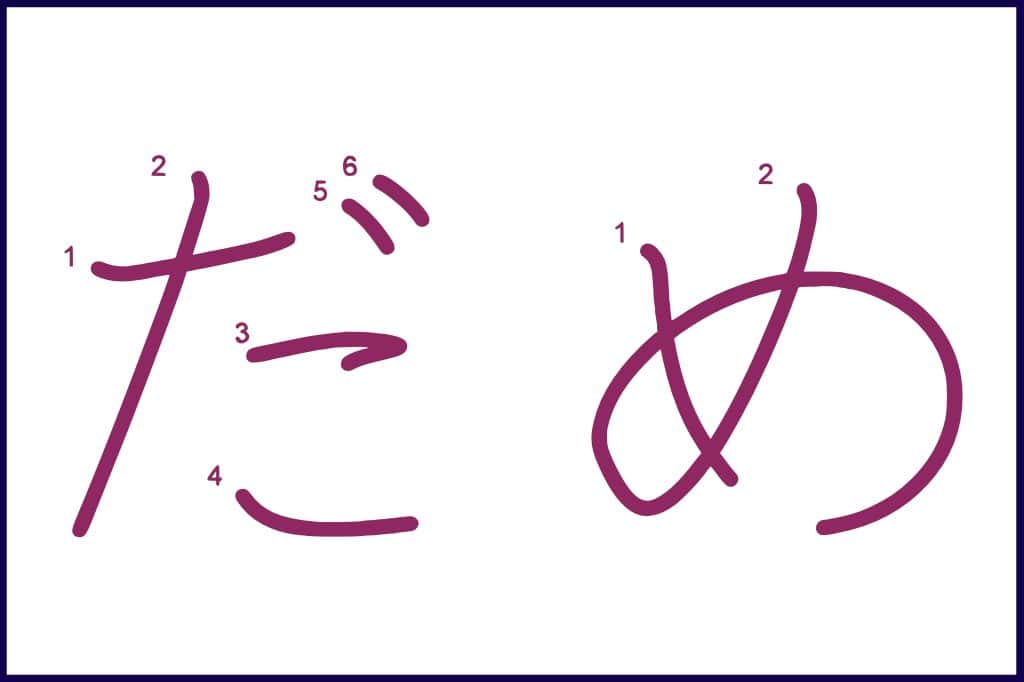
| だめ |
|---|
| cannot, must not, not allowed no! stop! don’t do that no good, useless |
だめ (dame) means “cannot”, “not allowed”, or “don’t do that”.
Dame (だめ) is used to stop an action, express prohibition, or say that something is impossible.
The word is very common in spoken Japanese and can sound casual, strict, or emotional depending on context.
Parents, teachers, and friends often use dame (だめ) to warn someone or set boundaries. It can also express failure or disappointment.
Because it is informal, it should be avoided in very polite situations.
17. Hayai (速い)
- Word: 速い
- Kana: はやい
- Romaji: hayai
- Meaning: fast
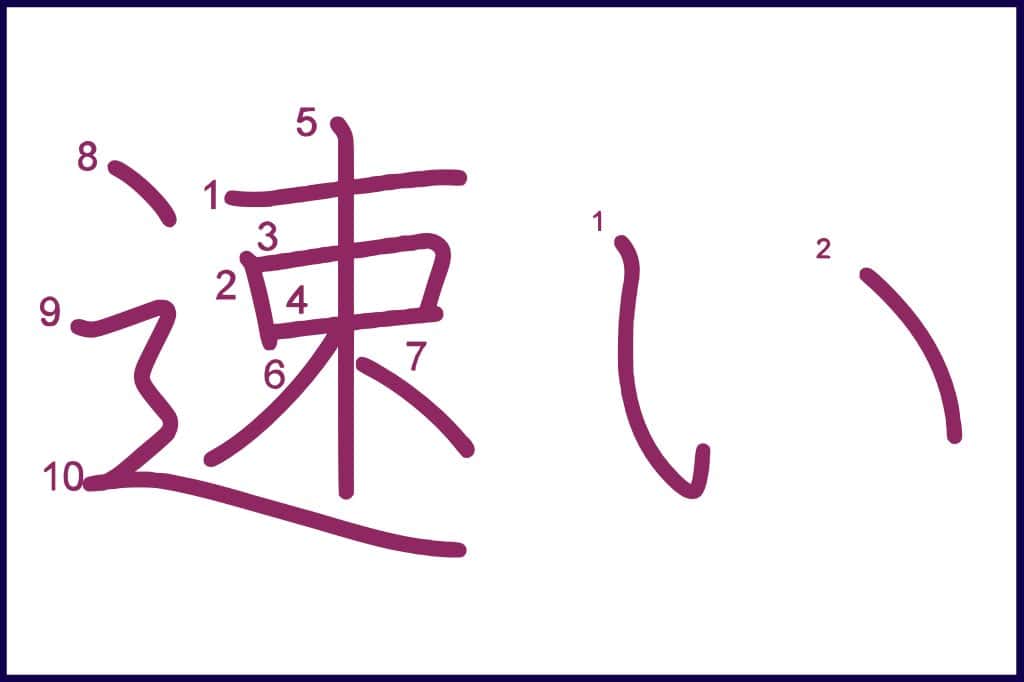
| 速い |
|---|
| fast, swift, quick |
速い (はやい, hayai) means “fast” or “swift” in Japanese.
Hayai (速い, はやい) is used to describe speed or quick movement of people, vehicles, actions, or changes.
It is often used in comparisons, such as describing someone who runs fast or a process that finishes quickly.
It can also be used metaphorically to describe rapid progress or change.
18. Aruku (歩く)
- Word: 歩く
- Kana: あるく
- Romaji: aruku
- Meaning: to walk
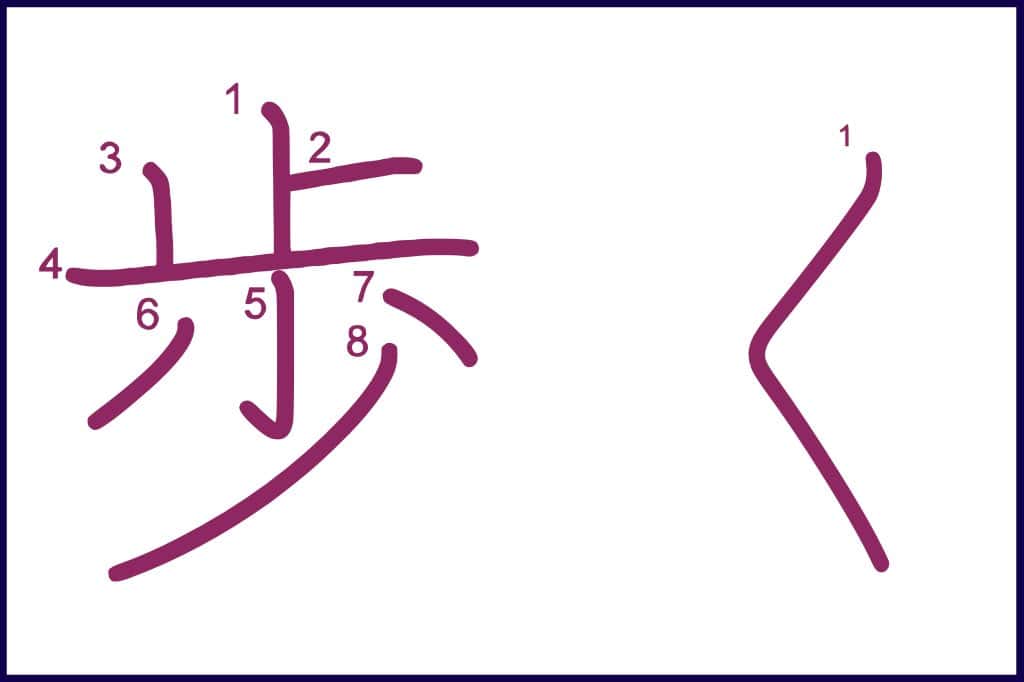
| 歩く |
|---|
| to walk |
歩く (あるく, aruku) means “to walk” in Japanese.
Aruku (歩く, あるく) describes moving on foot at a normal pace.
This verb is used in everyday situations, such as walking to school, work, or around town.
In stories and literature, aruku (歩く, あるく) can also be used metaphorically to describe life’s journey or progress over time.
It is a basic and essential verb for describing daily actions and movement.
19. Ki (木)
- Word: 木
- Kana: き
- Romaji: ki
- Meaning: tree
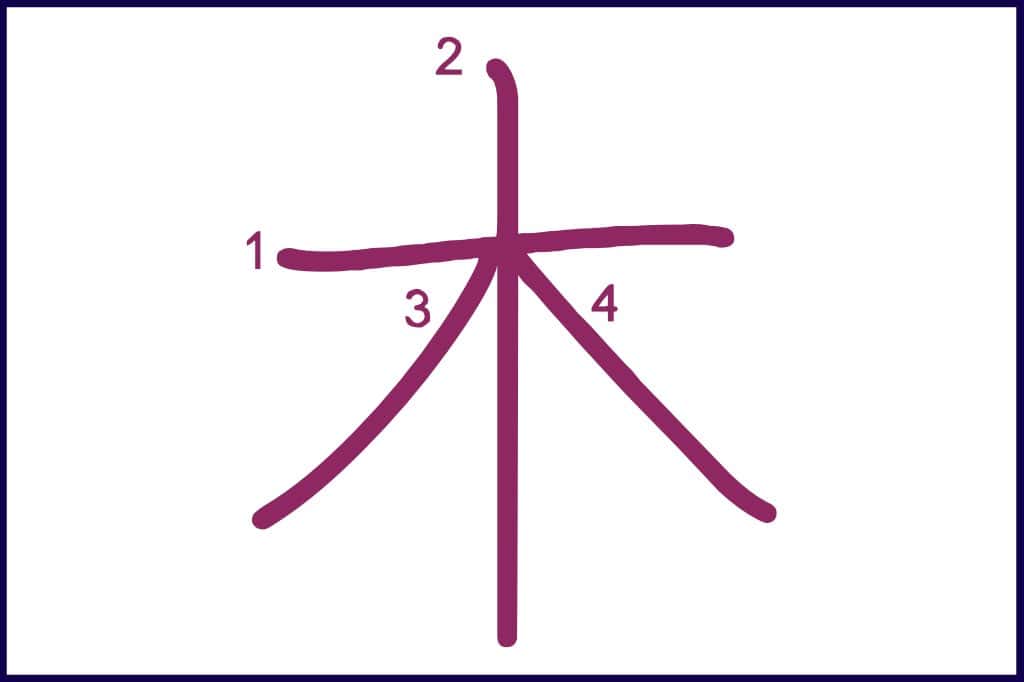
| 木 |
|---|
| always, |
木 (き, ki) means “tree” or “wood” in Japanese.
Ki (木, き) refers to living trees in nature as well as wood as a material used in daily life.
Trees play an important role in Japanese culture, symbolizing life, growth, and nature.
The word ki (木, き) appears in many compound words, place names, and family names. It is also connected to traditional architecture, tools, and daily life in Japan.
20. Kiru (切る)
- Word: 切る
- Kana: きる
- Romaji: kiru
- Meaning: to cut
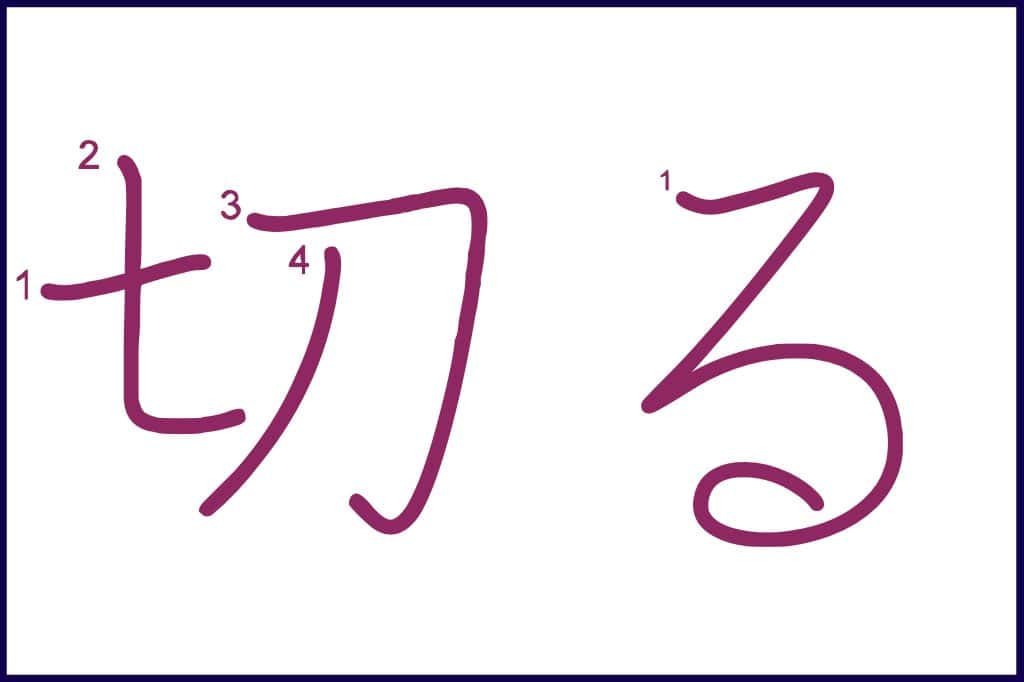
| 切る |
|---|
| to cut, to cut through |
切る (きる, kiru) means “to cut” in Japanese.
Kiru (切る, きる) is used for cutting objects like paper, wood, or food.
The verb can also be used metaphorically to mean stopping, ending, or breaking something, such as cutting a relationship or ending communication.
Because of this wide usage, it appears in many expressions and compound verbs.
21. Itterasshai (いってらっしゃい)
- Word: いってらっしゃい
- Romaji: itterasshai
- Meaning: see you
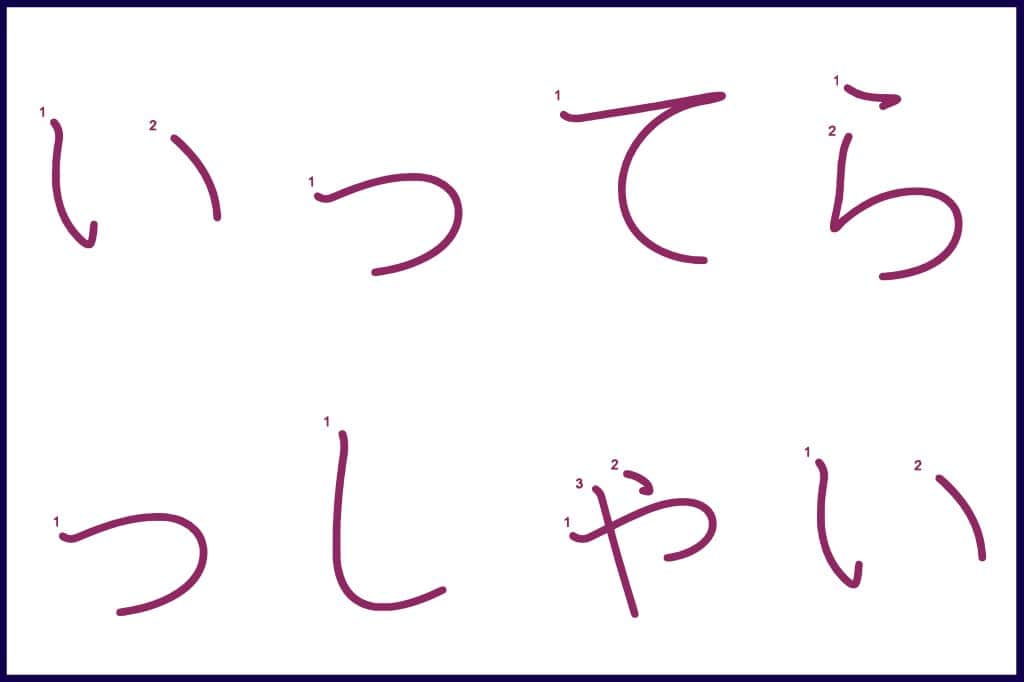
| いってらっしゃい |
|---|
| take care, see you (later), have a good day please go and come back (said when someone leaves home) |
いってらっしゃい (itterasshai) means “take care” or “see you later” and is said when someone leaves home.
The phrase itterasshai (いってらっしゃい) carries the expectation that the person will return safely.
It is usually said by family members or people close to each other.
✨ Study Note: If you’d like to learn more Japanese goodbye expressions used in different situations, check out my post on 26 ways to say goodbye in Japanese.
22. Chi (血)
- Word: 血
- Kana: ち
- Romaji: chi
- Meaning: blood
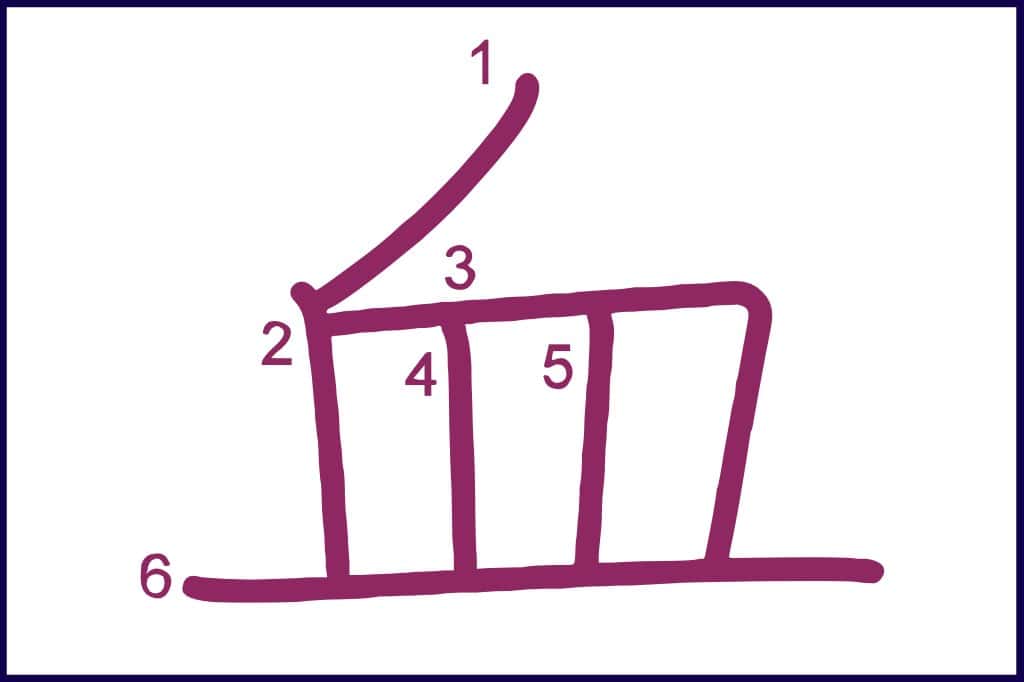
| 血 |
|---|
| blood lineage, ancestry |
血 (ち, chi) means “blood” in Japanese.
Chi (血, ち) refers to physical blood but also has deeper meanings related to family ties, heritage, and life.
In Japanese, the word is often used in expressions about family bonds or shared ancestry.
In stories, manga, and anime, the word frequently appears in dramatic or emotional scenes involving injury, sacrifice, or destiny.
23. Nioi (匂い)
- Word: 匂い
- Kana: におい
- Romaji: nioi
- Meaning: smell
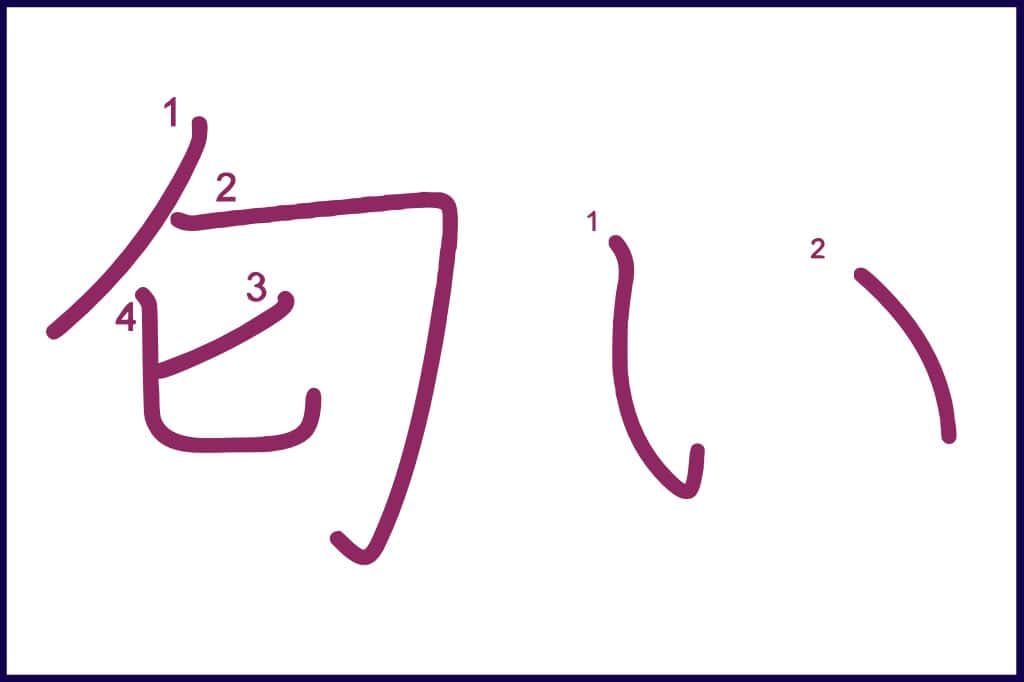
| 匂い |
|---|
| smell, scent, odor, stench |
匂い (におい, nioi) means “smell” or “scent” in Japanese.
Nioi (匂い, におい) can refer to both pleasant and unpleasant smells.
In daily life, it is used to talk about food, places, or people.
Metaphorically, the word can describe a feeling, atmosphere, or suspicion, similar to saying “something feels off”.
The word is commonly used in both literal and figurative ways.
24. Yama (山)
- Word: 山
- Kana: やま
- Romaji: yama
- Meaning: mountain
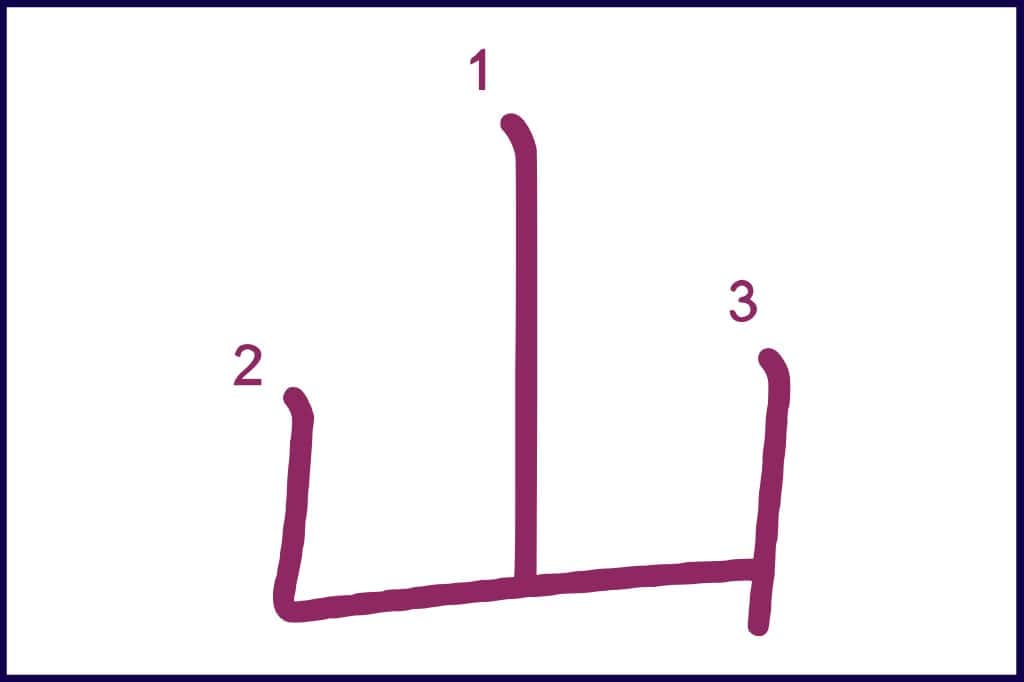
| 山 |
|---|
| mountain, hill |
山 (やま, yama) means “mountain” in Japanese.
Yama (山, やま) refers to mountains or hills and can also describe mountainous areas rather than a single peak.
Mountains are very important in Japanese geography and culture. They symbolize nature, challenge, isolation, or spiritual power.
Japan has many mountains, so the word yama (山, やま) is common in place names, such as Okayama (岡山, おかやま), and in everyday conversation.
It can also be used metaphorically to describe obstacles or large tasks.
25. Hana (鼻)
- Word: 鼻
- Kana: はな
- Romaji: hana
- Meaning: nose
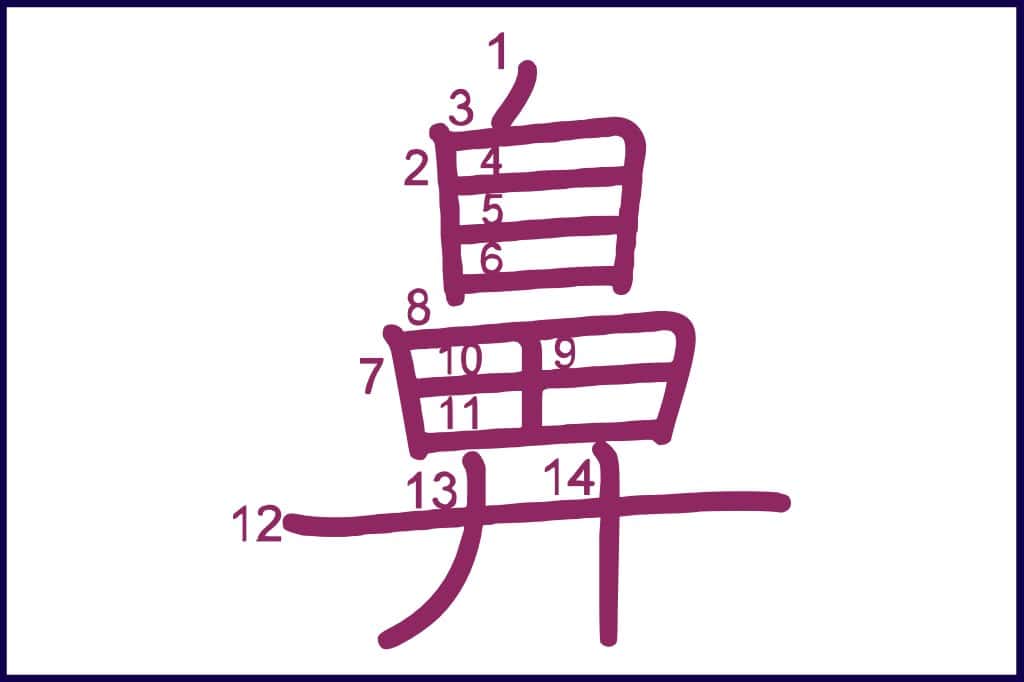
| 鼻 |
|---|
| nose |
鼻 (はな, hana) means “nose” in Japanese.
Hana (鼻, はな) refers to the physical body part used for breathing and smelling.
In Japanese, the word is also used in expressions related to pride, confidence, or embarrassment.
Note: The word should not be confused with 花 (はな, hana), the Japanese word for “flower“.
Example Sentences Using Demon Slayer Words
| 1 | Oni ga iru. 鬼がいる。 おに が いる。 There is a demon. |
| 2 | Yaiba ga surudoi. 刃が鋭い。 やいば が するどい。 The blade is sharp. |
| 3 | Hito ha[wa] shinu. 人は死ぬ。 ひと は しぬ。 People die. |
| 4 | Zettai dame! 絶対だめ! ぜったい だめ! Absolutely not! |
| 5 | Imouto wo[o] tasukeru. 妹を助ける。 いもうと を たすける。 I help my younger sister. |
| 6 | Nii-chan ga kita. 兄ちゃんが来た。 にいちゃん が きた。 My big brother came. |
| 7 | Kao ga akai. 顔が赤い。 かお が あかい。 The face is red. |
| 8 | Fuku ga makkuro. 服が真っ黒。 ふく が まっくろ。 The clothes are pitch-black. |
| 9 | Yuki ga furu. 雪が降る。 ゆき が ふる。 Snow falls. |
| 10 | Ame ga futteiru. 雨が降っている。 あめ が ふっている。 It is raining. |
| 11 | Koko ha[wa] abunai. ここは危ない。 ここ は あぶない。 This place is dangerous. |
| 12 | Shougatsu ga suki. 正月が好き。 しょうがつ が すき。 I like New Year. |
| 13 | Sumi wo[o] uru. 炭を売る。 すみ を うる。 I sell charcoal. |
| 14 | Kore wo[o] uru. これを売る。 これ を うる。 I sell this. |
| 15 | Arigatou. ありがとう。 Thank you. ieie. いえいえ。 Not at all. |
| 16 | Sore ha[wa] dame. それはだめ。 それ は だめ。 That’s not allowed. |
| 17 | Tanjiro ha[wa] hayai. 炭治郎は速い。 たんじろう は はやい。 Tanjiro is fast. |
| 18 | Machi wo[o] aruku. 町を歩く。 まち を あるく。 I walk around the town. |
| 19 | Ki ga aru. 木がある。 き が ある。 There is a tree. |
| 20 | Ki wo[o] kiru. 木を切る。 き を きる。 I cut wood. |
| 21 | ittekimasu! いってきます! See you later! itterasshai! いってらっしゃい! Take care! |
| 22 | Chi ga deta. 血が出た。 ち が でた。 Blood came out. |
| 23 | ii nioi desu. いい匂いです。 いい におい です。 It smells good. |
| 24 | Yama ga mieru. 山が見える。 やま が みえる。 I can see a mountain. |
| 25 | Zou ha[wa] hana ga takai. ゾウは鼻が長い。 ゾウ は はな が ながい。 Elephants have a long nose. |
Learn More Japanese Anime & Manga Vocabulary
These 25 beginner Japanese words appear naturally throughout Demon Slayer and are also common in everyday Japanese.
By learning vocabulary through anime and manga you enjoy, you can stay motivated while building a strong foundation in Japanese.
So keep watching, listening, and reading, and the words you learned today will gradually feel familiar as your Japanese grows naturally.
… or keep learning Japanese with one of my other free lessons!
- 📺 Learn Japanese with Anime
Understand anime dialogue without subtitles - 📖 Learn Japanese with Manga
Read your favourite manga written in kanji and kana - 🎵 Learn Japanese with Songs
Understand the meaning behind your favourite lyrics
🎤 Learn Japanese with J-Pop Stars
Learn real Japanese from your favourite stars and idols - 🎮 Learn Japanese with Video Games
Understand game dialogue and the characters you love
For more information about the anime, manga, and Demon Slayer movies, please check Kimetsu no Yaiba’s Official Homepage or Wikipedia.