

そろそろ (soro soro) means “soon”, “about time” or “gradually”. It’s a common adverb used when the speaker feels that the right moment to act has arrived or is approaching. It gently suggests starting, stopping, or changing an action, such as leaving or going to sleep. It’s taught at the JLPT N4 level.
そろそろ
soro soro
soon, about time, gradually
In this post, you will learn the full meaning and common uses of そろそろ (soro soro) and how it naturally appears in real Japanese sentences. I will explain its subtle nuance, show common sentence patterns, and share clear, beginner-friendly examples so you can confidently understand and use そろそろ correctly, and like a native speaker.
そろそろ Means “Soon” or “About Time” in Japanese
Word: そろそろ
Romaji: soro soro
Meaning: soon, about time, gradually
Type: adverb
Class: common, JLPT N4
Formality: neutral, general use
1. English Translations of そろそろ
| そろそろ |
|---|
| [adverb] soon, before long, any time now, it’s about time (to)… |
| [adverb] slowly, quietly, steadily, gradually |
| [adverb] already, about time used exhortatively or to express impatience |
2. Japanese Meaning of そろそろ
そろそろ (soro soro) means “soon“, “about time“, or “gradually“.
It is a common Japanese adverb that expresses the feeling that the right time for something is approaching.
Rather than pointing to a specific clock time, そろそろ reflects the speaker’s sense of timing based on the situation, atmosphere, or shared understanding.
So it is often translated as “soon,” “about time,” “any moment now,” or “gradually,” depending on context.
In everyday Japanese, そろそろ is frequently used before verbs that describe actions or transitions, such as:
- 行く (いく, iku, “to go”)
- 帰る (かえる, kaeru, “to go home”)
- 始める (はじめる, hajimeru, “to start”)
- 終わる (おわる, owaru, “to finish”)
- 寝る (ねる, neru, “to sleep”).
When used this way, it gently signals that a change or next step is approaching, often without directly stating it.
Because of this, そろそろ is commonly used to make suggestions, hint at intentions, or prepare the listener for what comes next.
A key nuance of そろそろ is that it avoids pressure or urgency. Instead of commanding or announcing an action, it allows the speaker to ease into it, leaving room for agreement or adjustment.
This makes そろそろ sound considerate, cooperative, and socially aware.
In addition to timing actions, そろそろ can also describe gradual change or slow progression, especially when something is beginning to happen little by little.
In this sense, it carries a soft, continuous feeling rather than a sudden shift.
Due to its flexibility and subtlety, そろそろ is extremely common in natural conversation and appears across casual, polite, and even formal contexts.
It plays an important role in making Japanese communication smoother and more indirect, helping speakers express timing, readiness, and intention without sounding abrupt.
3. How to Use そろそろ in a Sentence
- そろそろ (verb)
- そろそろ (sentence)。
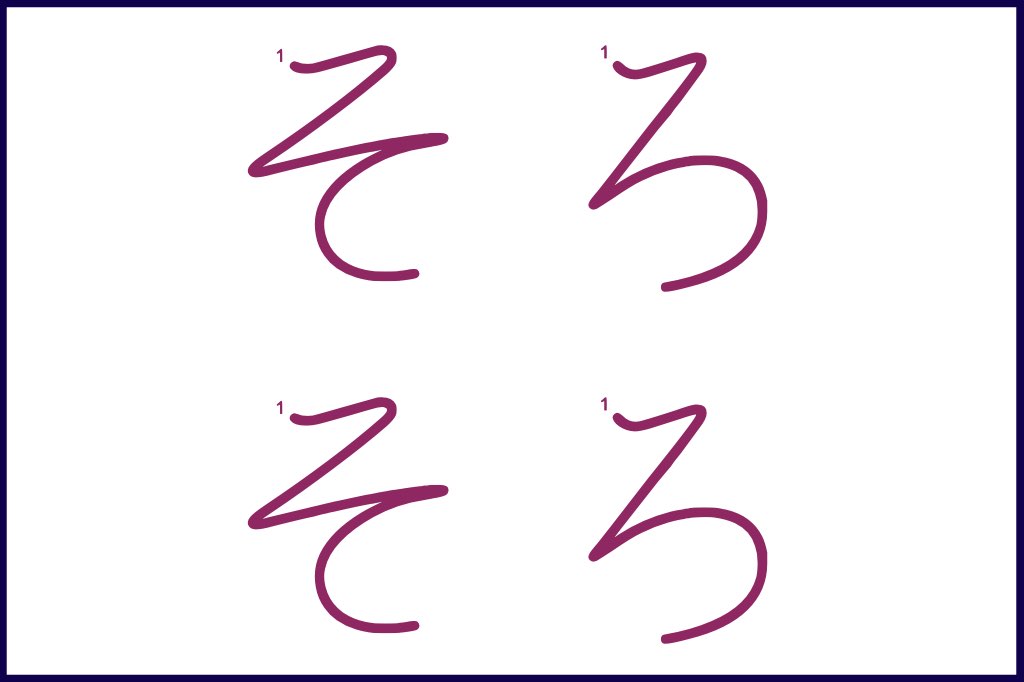
Example Sentences
| そろそろ帰ろう |
|---|
| そろそろ かえろう |
| It’s about time to go home. |
| Soro soro kaerou |
| Free Lesson: Anime #2 (Attack on Titan, Mikasa) |
| そろそろ行くか |
|---|
| そろそろ いく か |
| I guess I’ll head out soon. Maybe I should get going. |
| Soro soro iku ka |
| Ryuk (Death Note) |
More examples will be added in the future…