
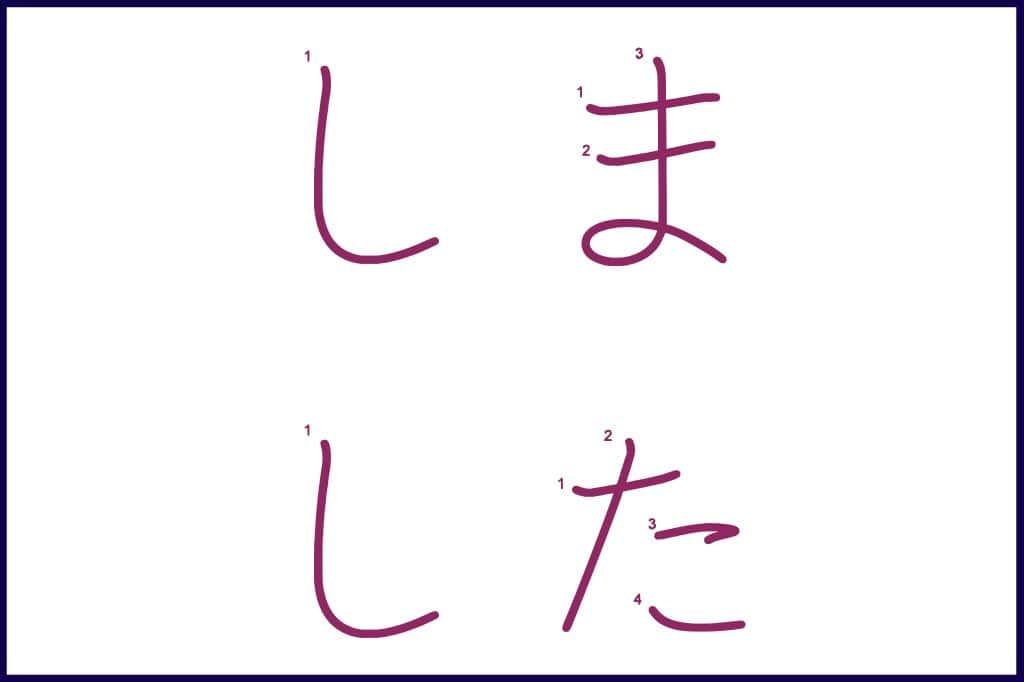
しました (shimashita) means “did” or “have done.” It’s the past polite form of the verb する (suru), meaning “to do.” It’s used to politely state that an action has been carried out or completed. It’s taught at the JLPT N5 level, politer than した (shita), and very common in daily conversations.
しました
shimashita
did, have done
In this post, you will find the full meaning and all translations of しました (shimashita) and learn how to use this essential past-tense verb naturally in Japanese. I will share plenty of example sentences so you can confidently describe actions that have been completed, just like a native speaker.
しました Means “Did” in Japanese
Word: しました
Romaji: shimashita
Meaning: did, have done
Type: verb (past tense)
Class: common, JLPT N5
Formality: polite language (teineigo)
Dictionary Form: する (suru, “to do”)
1. English Translations of しました
| しました |
|---|
| する → します → しました |
| [verb (past tense)] did, have done |
2. Japanese Meaning of しました
しました (shimashita) means “did” or “have done“.
This Japanese word is the polite past tense form of the verb する (suru, “to do”).
- する (dictionary form)
- した (past tense 〜た)
- します (polite present ~ます)
- しました (polite past tense ~ました)
It is used to politely say that an action was done, has been completed, or took place in the past.
Because する is a very common verb and appears in countless combinations, you will encounter its past tense form しました a lot in everyday Japanese.
In many set expressions, しました can translate naturally as “did,” “made,” “held,” “finished,” or “took place,” depending on the noun it follows.
As with all polite ます-forms, しました is used in formal speech, customer service, public announcements, and respectful conversations. In informal situations, した (shita) is typically used.
Simple Conjugation Table of しました
| しました | Japanese | Reading | Meaning |
|---|---|---|---|
| Present | する | suru | do |
| Past Tense | した | shita | did, have done |
| Polite Present | します | shimasu | do |
| Polite Past Tense | しました | shimashita | did, have done |
3. How to Use しました in a Sentence
- (action)をしました。
- (noun with two kanji)をしました。
- (sentence)(noun with two kanji)しました。
Example Sentences
| BMSG FES 25が閉幕しました。 |
|---|
| BMSG フェス にじゅうご が へいまく しました。 |
| BMSG FES 25 has come to an end. The curtain has fallen on BMSG FES 25. The curtain has closed on BMSG FES 25. |
| BMSG fesu nijyuugo ga heimaku shimashita. |
| Free Lesson: J-Pop Stars #5 (SKY-HI) |
More examples will be added in the future…