If you have ever wondered what the Japanese word for love is, the answer will surprise you. While in English, we can use the word “love” and the single phrase “I love you” in almost all situations, Japanese has many words that express different types of love, attraction, affection, and emotional connection.
The most common Japanese words for love are ai (愛) and koi (恋). Both translate as “love” in English, but 愛 (ai) implies real, deep love that will last forever, while 恋 (koi) refers to romantic feelings at the beginning of a relationship. Other common words for love are aijyou (愛情) and renai (恋愛).
I will help you learn 12 Japanese words for “love” and “to love“, and help you with choosing the right phrase for various situations. At the end of my post, you will know when native speakers use which word and how to avoid common mistakes when saying “I love you” in Japanese.
12 Japanese Words for Love – How to Choose the Right Phrase
- Ai (愛, あい)
- Koi (恋, こい)
- Aijyou (愛情, あいじょう)
- Renai (恋愛, れんあい)
- Omoi (想い, おもい)
- Aikou (愛好, あいこう)
- Rabu (ラブ)
- Suki (好き, すき)
- Rabu rabu (らぶらぶ)
- Daisuki (大好き, だいすき)
- Aishiteru (愛してる, あいしてる)
- Koishiteru (恋してる, こいしてる)
1. Ai (愛, あい)
- love, amor, affection, care
- attachment, craving, desire
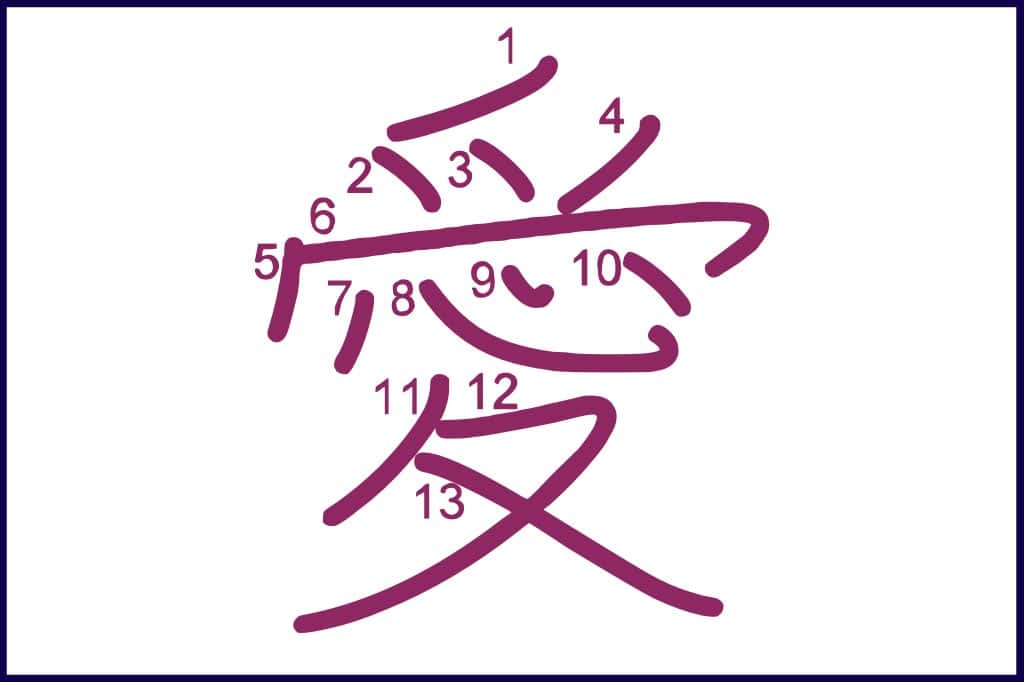
Ai (愛, あい) is the most famous Japanese word for love, but also the most misunderstood.
While it translates as love, affection, or care, it usually refers to real, deep, unconditional, and long-term love.
In the past, Japanese speakers did not use the word 愛 (あい, ai) casually.
It was reserved for serious relationships where trust, commitment, and emotional stability have grown over time.
Interestingly, once a relationship reaches this level, love is more often expressed through actions rather than words.
That’s why 愛 (あい, ai) is shown far more often than it is spoken aloud.
However, nowadays, especially younger people might use the word 愛 (あい, ai) for food they love, their beloved pets, or hobbies and other things or people they are really into, like their favorite idol, anime, or game character.
Real Meaning of 愛 (あい, ai) and how to use the word:
- real love
- deep love
- lasting love
- unconditional love
2. Koi (恋, こい)
- love, yearning
- (romantic) love
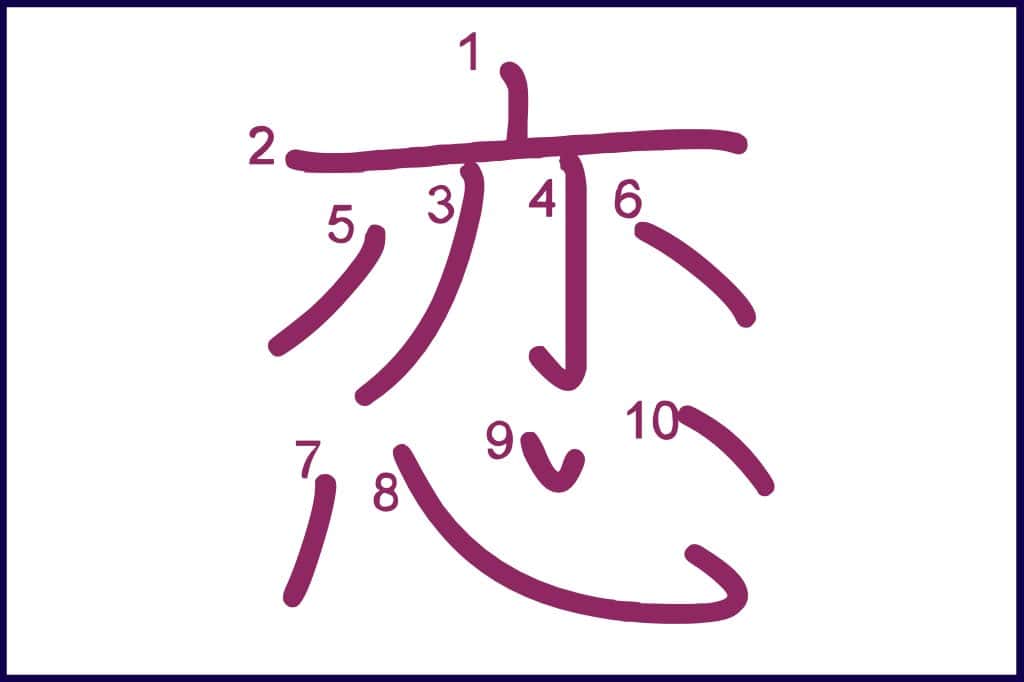
The Japanese word Koi (恋, こい) translates as “love” or “yearning” and represents love driven by emotion and desire.
It is the feeling of falling in love, longing for someone, or being unable to stop thinking about them.
This word captures the excitement and intensity of early-stage love, like the butterflies we feel in our stomachs, passion, and the emotional highs of being on cloud nine.
Over time, 恋 (こい, koi) may mature in 愛 (あい, ai), but the two are emotionally very different.
That’s also why “falling in love” in Japanese uses 恋に落ちる (こい に おちる, koi ni ochiru) instead of 愛 (あい, ai).
Real Meaning of 恋 (こい, koi) and how to use the word:
- romantic love
- passionate love
- being on cloud nine
- having butterflies in your stomach
3. Aijyou (愛情, あいじょう)
- love, affection
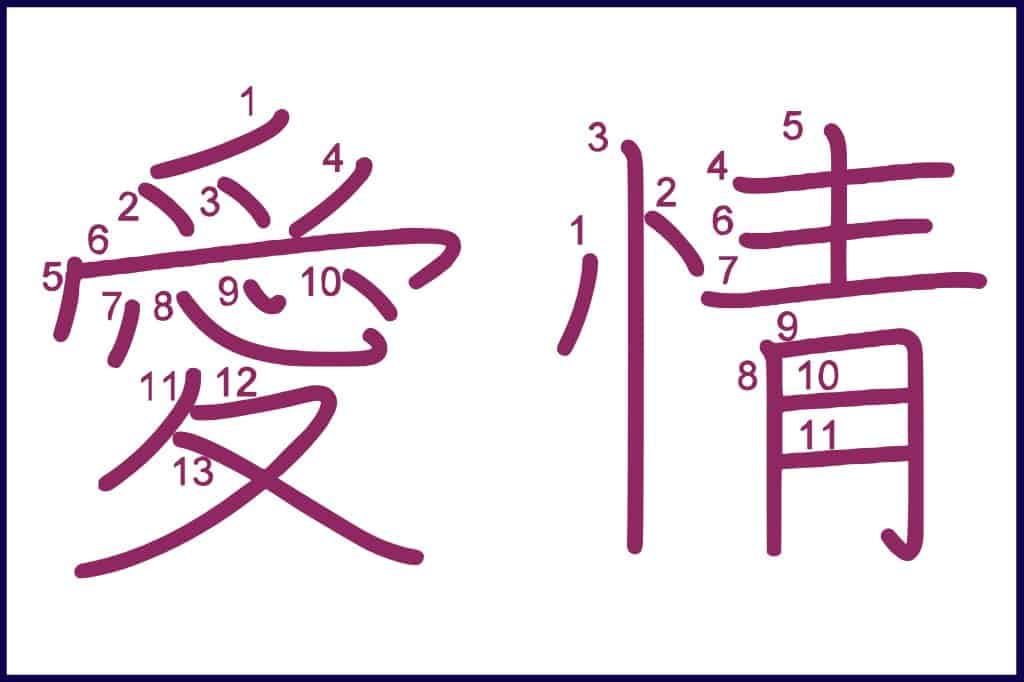
Aijyou (愛情, あいじょう) means “love” or “affection” and refers specifically to feelings of love or feelings of affection toward someone.
It combines the word 愛 (あい, ai) for “love” and the word 情 (じょう, jyou) for “feelings” or “emotion”.
The word 愛情 (あいじょう, aijyou) is commonly used for:
- parental love
- romantic partners
- affection toward family members
Unlike 愛 (あい, ai), which is more abstract, the Japanese word 愛情 (あいじょう, aijyou) focuses on love as something you feel, give, or receive.
So when you want to talk about the love you receive from your spouse or when you want to express your parental affection toward your kids, you would use the word 愛情 (あいじょう, aijyou).
Real Meaning of 愛情 (あいじょう, aijyou) and how to use the word:
- feelings of love
- feelings of affection
- love you give to someone
- parental love and affection
- love you receive from someone
4. Renai (恋愛, れんあい)
- love, romance
- tender passion, emotion, affections
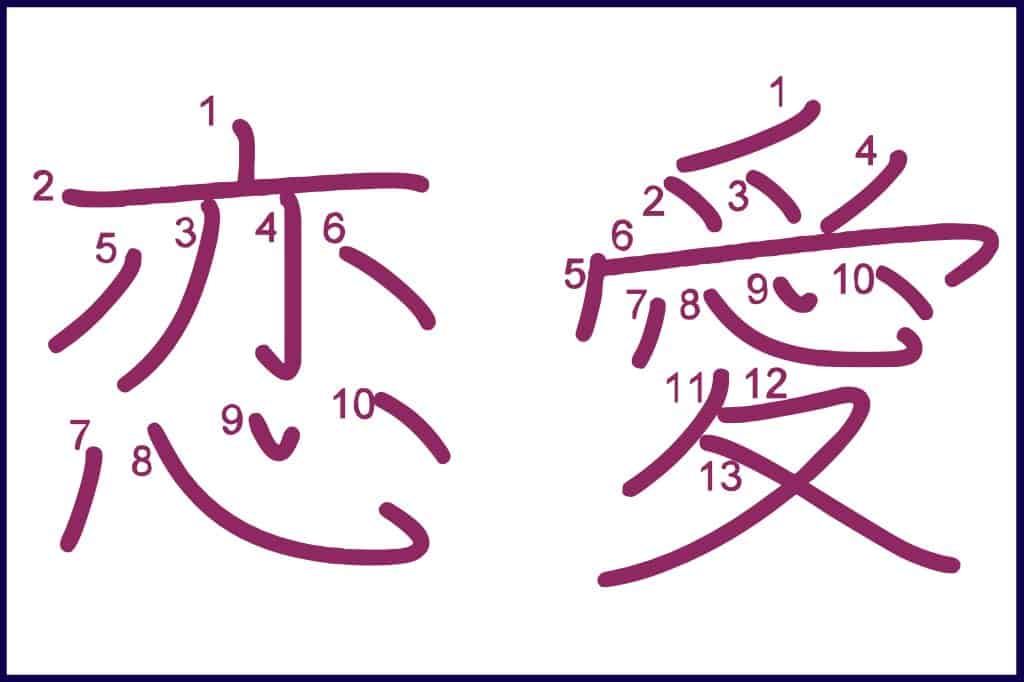
The Japanese word renai (恋愛, れんあい) translates as “love“, “romance“, “tender passion“, or just “emotion“.
It combines 恋 (こい, koi) and 愛 (あい, ai) and is a more neutral, objective word meaning romantic relationships or romance in general.
Compared to some of the other words, it has a somewhat technical or formal feel to it, so you will often encounter it in articles and the news.
Due to its origin in Chinese, the word has a less romantic and more objective feeling when you use it in Japanese.
Real Meaning of 恋愛 (れんあい, renai) and how to use the word:
- objective word for love
- neutral word for romance
- sounds rather technical or formal
- good for reports, articles, and news
5. Omoi (想い, おもい)
- love, affection
- desire, wish, hope, expectation
- feeling, heart, spirit, want, wishing, longing
- feelings, an emotion, sentiment, experience
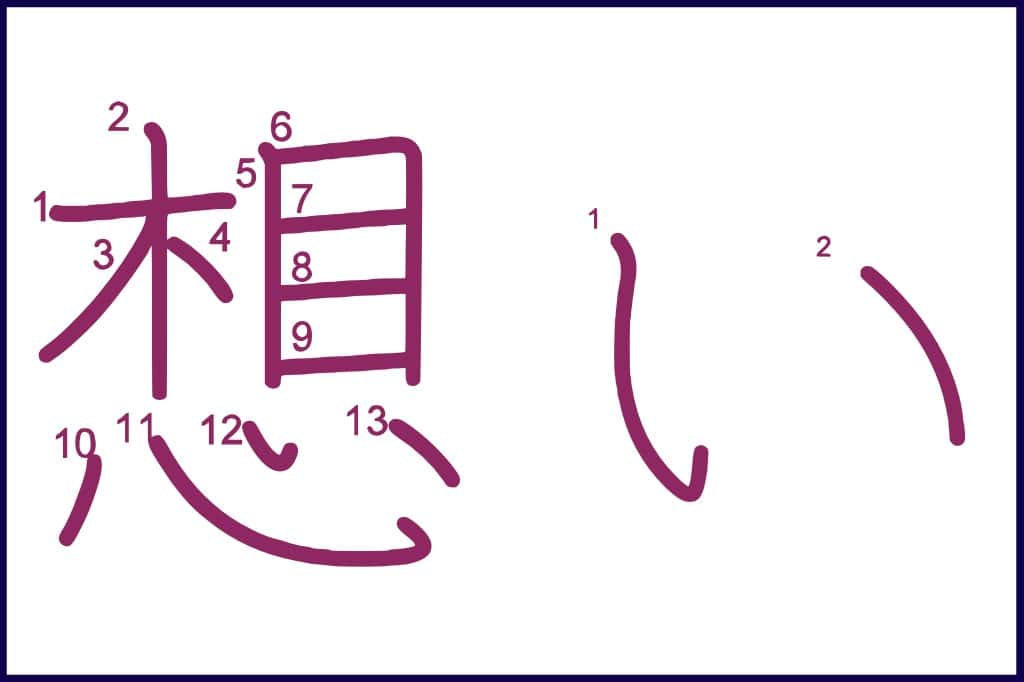
Omoi (想い・思い, おもい, omoi) literally means “thoughts” or “feelings“, but in Japanese, it is often used to quietly or discreetly express emotional or romantic feelings without stating them directly.
The kanji 思い (おもい, omoi) focuses more on thinking or reflecting, while the same word written as 想い (おもい, omoi) emphasizes emotional involvement and heartfelt feelings.
This word allows the speaker to express love indirectly, without a clear confession. It’s often used when feelings are complicated, one-sided, or not yet spoken out loud.
That emotional ambiguity is exactly why the word 想い (おもい, omoi) appears so often in song lyrics.
Real Meaning of 思い (おもい, omoi) and how to use the word:
- unspoken feelings
- emotional thoughts
- hidden or indirect love
- feelings you can’t say aloud
6. Aikou (愛好, あいこう)
- love, fondness, passion
- adoration (for activities or interests)
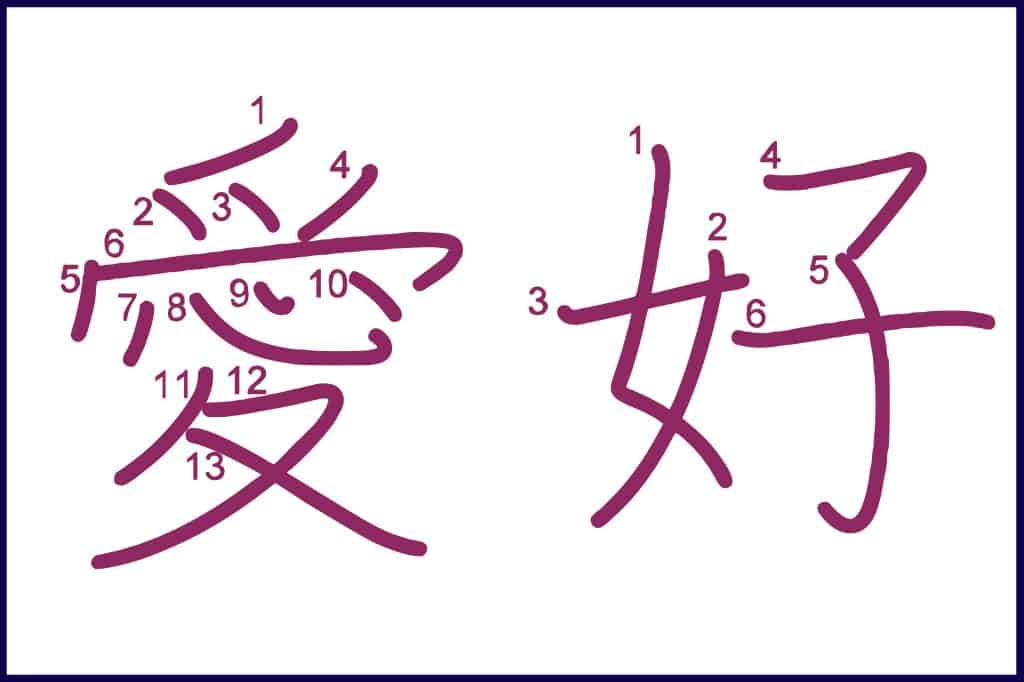
Aikou (愛好, あいこう) is used to describe love or passion toward hobbies, activities, or interests rather than people.
It combines 愛 (あい, ai, “love”) and 好 (こう, kou, “liking”), and it’s commonly used in more neutral or descriptive contexts, such as writing or introductions.
You can use it for things like:
- loving art
- loving music
- being passionate about a hobby
When 家 (か, ka) or 者 (しゃ, sha) is added, the word becomes 愛好家 (あいこうか, aikouka) or 愛好者 (あいこうしゃ, aikousha), meaning an enthusiast or fan.
Compared to the other words for love, aikou (愛好, あいこう) sounds more mature and objective.
It is rarely used for emotional or romantic love, but can be used for things such as love for movies, love for music, and love for nature.
Real Meaning of 愛好 (あいこう, aikou) and how to use the word:
- love for hobbies
- strong interest or passion
- neutra or descriptive tone
- used for fans or enthusiasts
7. Rabu (ラブ)
- love (loanword)
- playful or casual affection
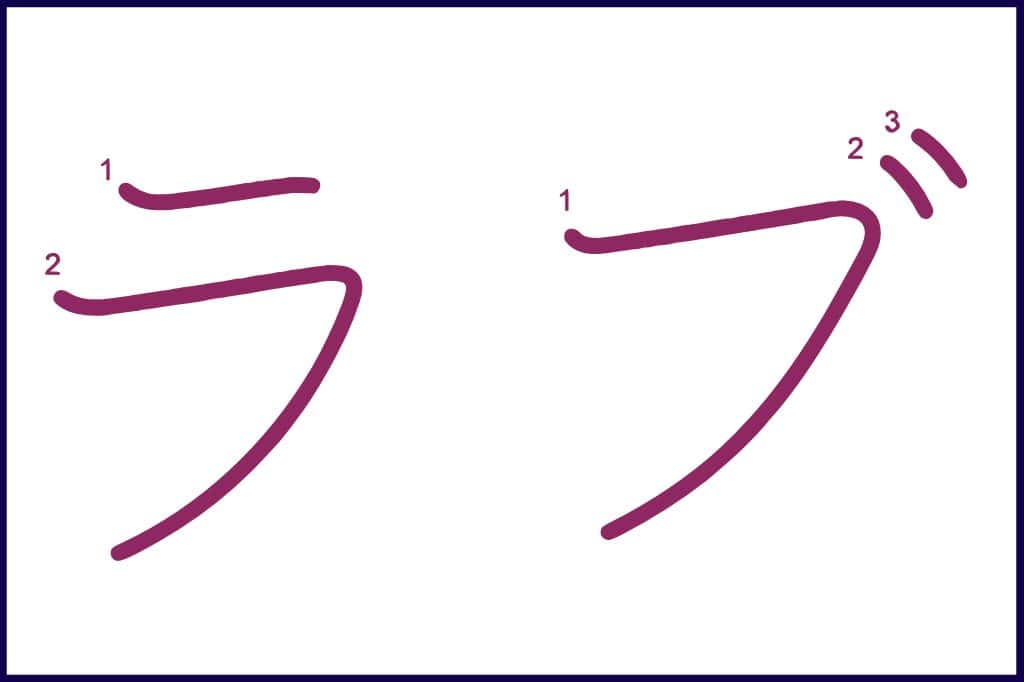
ラブ (rabu) is a loanword from English and is widely used in modern Japanese, especially in pop culture.
You will often see it in words like:
- love song (ラブソング, rabu songu)
- love letter (ラブレター, rabu rettaa)
- love story (ラブストーリー, rabu sutoorii)
However, ラブ (rabu) usually sounds casual, playful, or even ironic. It rarely expresses deep or serious emotional love.
It is commonly used in jokes, titles, or trendy expressions rather than heartfelt confessions.
Real Meaning of ラブ (rabu) and how to use the word:
- casual love
- pop-culture love
- playful or light tone
- rarely serious or emotional
8. Suki (好き, すき)
- I like you, I love you
- likeness, fondness, love
- liking, being fond of, to one’s liking, favourite
- liking (romantically), being in love with, beloved
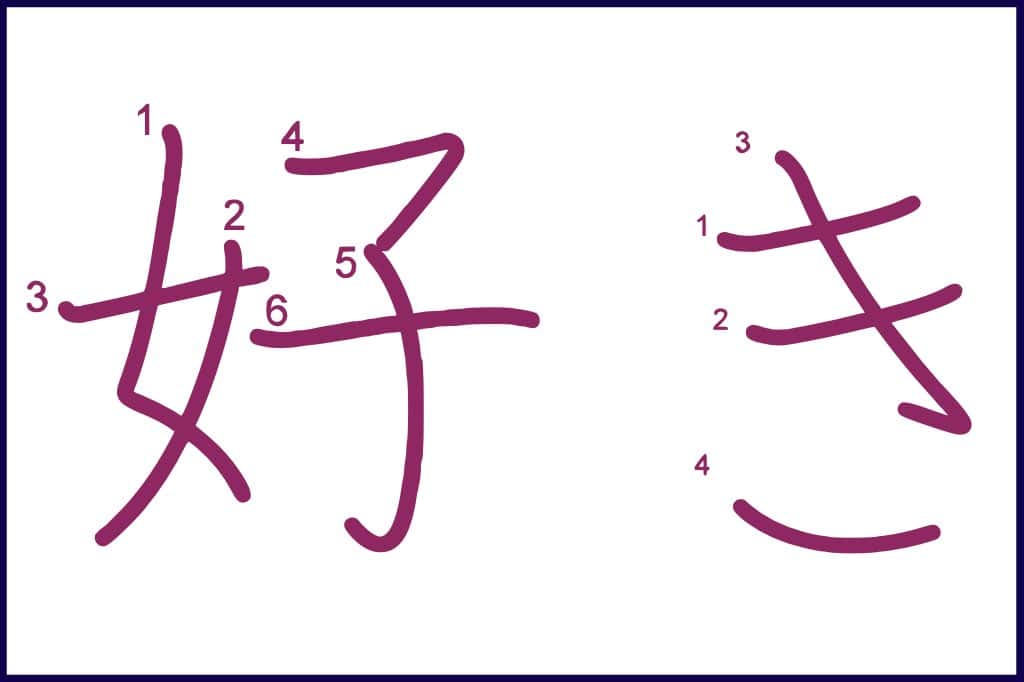
The Japanese word 好き (すき, suki) technically means “like“, but in Japanese, it is one of the most common ways to express romantic love.
It is especially used:
- early in relationships
- when confessing feelings
- but also between close friends
好き (すき, suki) feels soft, natural, and emotionally honest without being overwhelming. That is why it is often preferred over stronger expressions of love.
Simply saying 好きです (すきです, suki desu) can already mean “I love you” in Japanese, depending on context.
Real Meaning of 好き (すき, suki) and how to use the word:
- liking someone
- gentle romantic love
- commonly used in daily life
- safe and natural confession
9. ラブラブ (rabu rabu)
- lovey-dovey
- head-over-heels in love
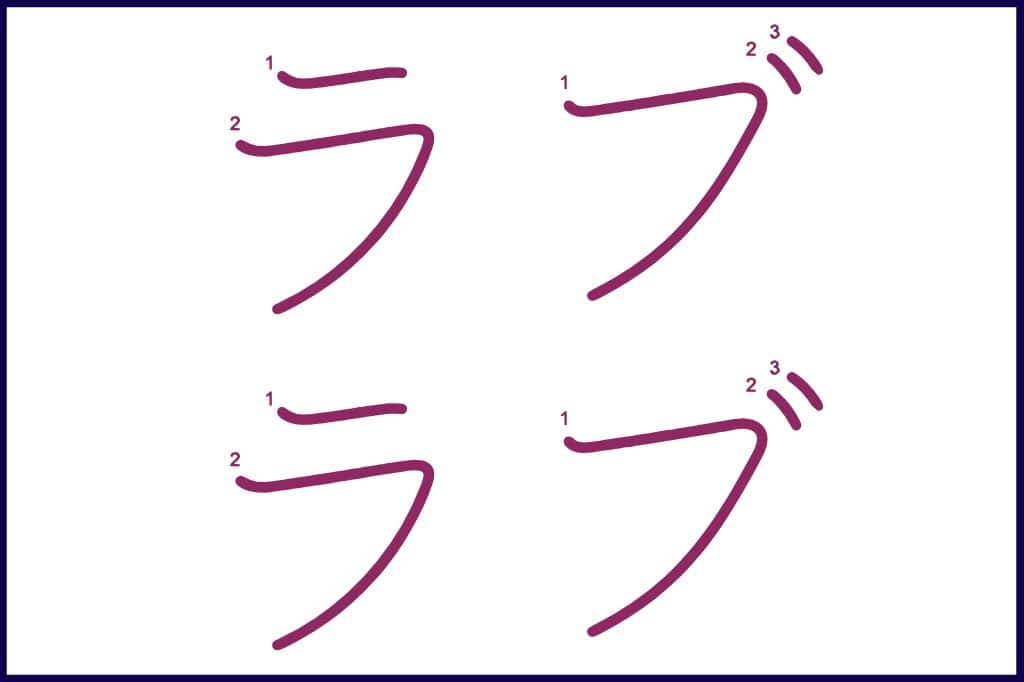
ラブラブ (rabu rabu) is a casual, playful expression used to describe couples who are openly affectionate and clearly in love.
It doesn’t describe love as a feeling itself, but rather how love is shown through physical affection, closeness, teasing, or constant attention to each other.
You will often hear ラブラブ (rabu rabu) used:
- to describe couples in public
- in TV shows, anime, and gossip
- jokingly or teasingly among friends
It has a light, cheerful tone and is never used for serious or deep love like the word 愛 (あい, ai), for example.
Real Meaning of ラブラブ (rabu rabu) and how to use the word:
- playful, casual tone
- lovey-dovey behavior
- often used humorously
- openly affectionate couples
10. Daisuki (大好き, だいすき)
- adoring, being very fond of
- love, adore, be fond of, be crazy about
- liking very much, loving (something or someone)
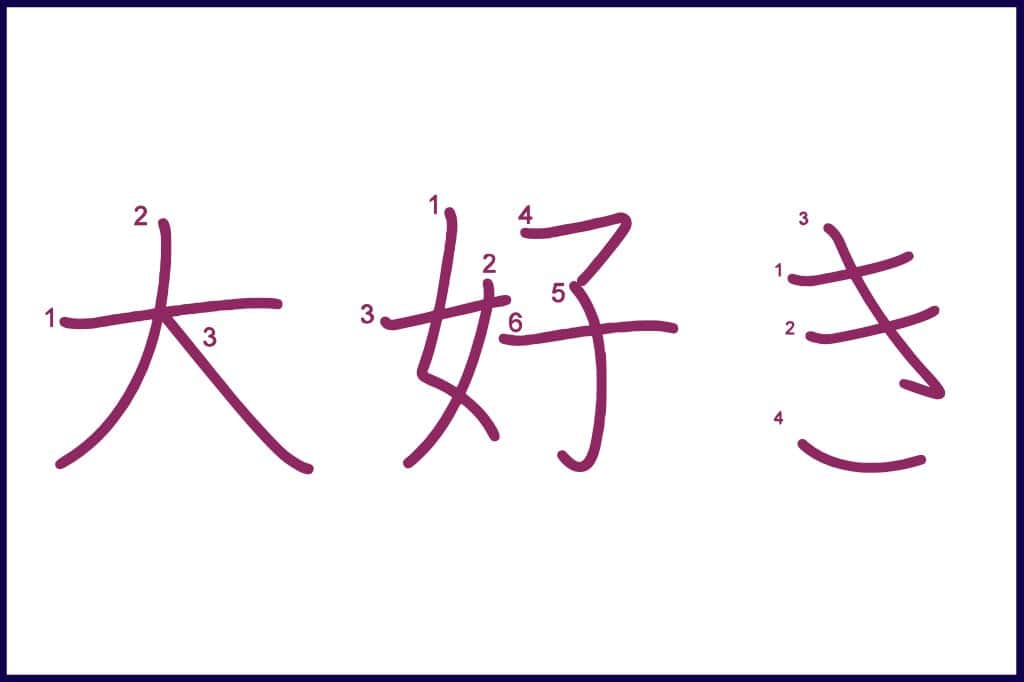
The word 大好き (だいすき, daisuki) is a stronger version of 好き (すき, suki) and means “love” or “love very much“.
It is commonly used:
- in romantic relationships
- friends you are very close to
- and also sometimes with family
Compared to 好き (すき, suki), 大好き (だいすき, daisuki) carries more emotional intensity, but it is still far lighter than 愛してる (あししてる, aishiteru).
In anime and manga, 大好き (だいすき, daisuki) is very common. In real life, people use it more carefully and intentionally.
Real Meaning of 大好き (だいすき, daisuki) and how to use the word:
- strong affection
- common in media
- used thoughtfully in real life
- emotional but approachable love
11. Aishiteru (愛してる, あい してる) – I Love You
- I love you
- deep, serious love
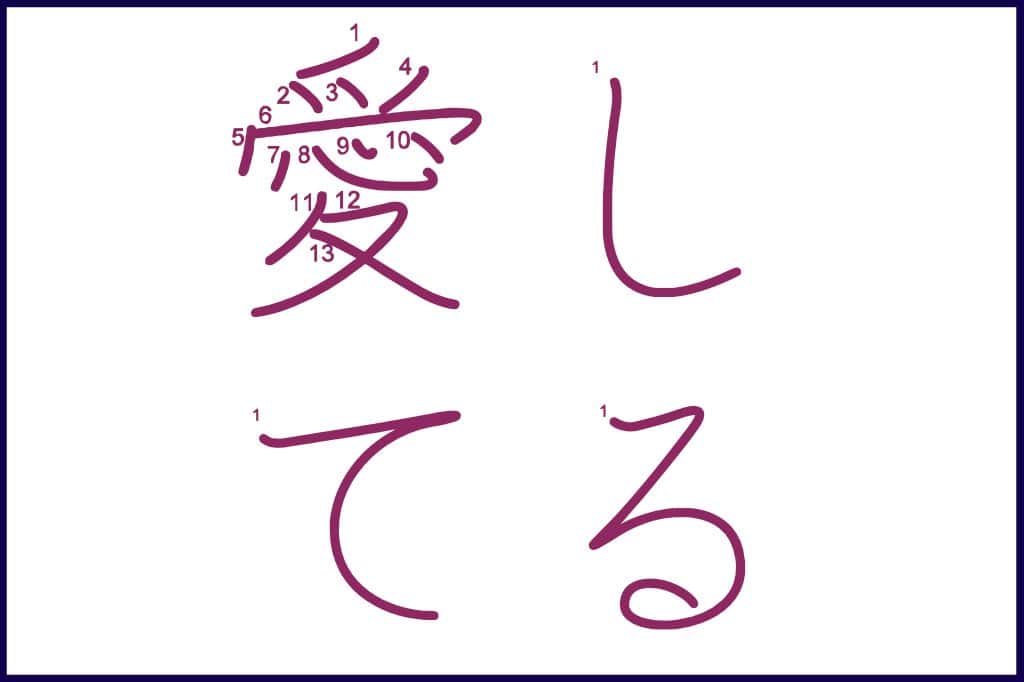
愛してる (あいしてる, aishiteru) literally means “I love you”, but it carries extremely strong emotional weight in Japanese.
It is usually reserved for:
- married couples
- long-term partners
- serious or emotional moments
The word has such a profound meaning for most Japanese people that some of them may go their entire lives without ever saying 愛してる (あいしてる, aishiteru) out loud.
When it is said, it often marks a life-defining moment, so learners should be very careful using this phrase.
Real Meaning of 愛している (あいしている, ai shiteiru) and how to use the word:
- lifelong love
- rare and powerful
- deep commitment
- used in serious relationships only
12. Koishiteiru (恋してる, こい してる)
- I’m in love
- intense romantic obsession
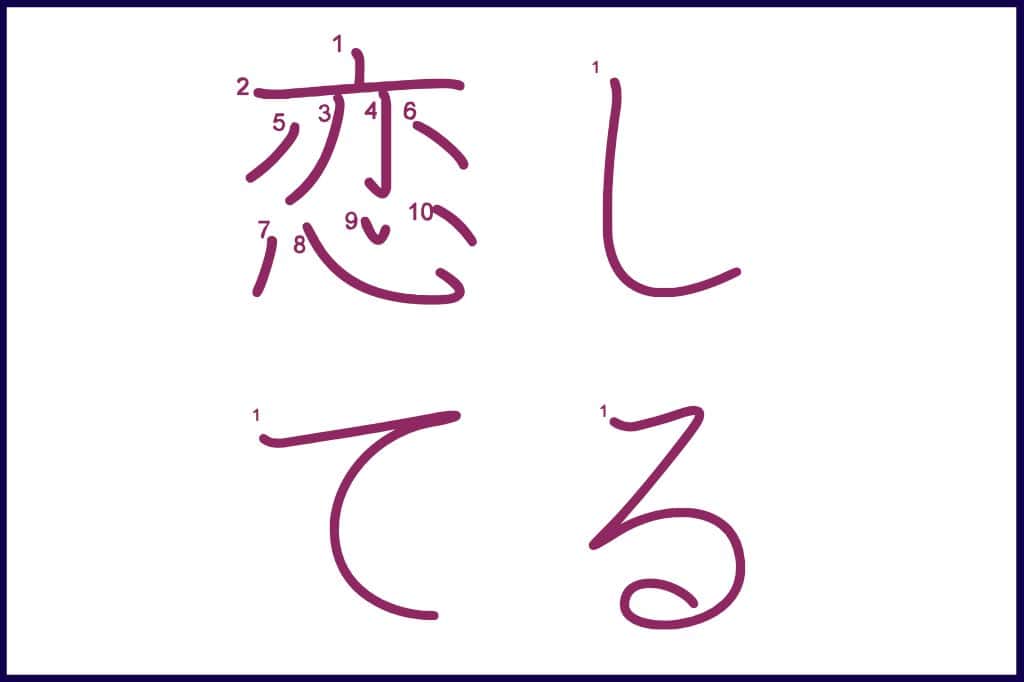
恋してる (こいしてる, koishiteru) comes from the word 恋 (こい, koi) and expresses intense, emotional, and sometimes unstable romantic love.
It often appears in:
- songs
- dramas
- anime and manga
In real life, it can sound extreme, desperate, or emotionally unbalanced. It suggests obsession rather than healthy, stable love.
Because of this, 恋してる (こいしてる, koishiteru) is rarely used in everyday conversation and is generally best avoided by learners.
Real Meaning of 恋している (こい している, koi shiteiru) and how to use the word:
- emotional obsession
- dramatic or fictional tone
- not common in daily speech
- overwhelming romantic feelings
Learn More Japanese with…
Most Common Japanese Words
- Top 25 Most Common Japanese Verbs
Learn the Top 25 Japanese Verbs with audio and examples - Top 25 Most Common Japanese Nouns
Learn the Top 25 Japanese Nouns with audio and examples - Top 25 Most Common Japanese Particles
Learn the Top 25 Japanese Particles with audio and examples - Top 25 Most Common Japanese Adjectives
Learn the Top 25 Japanese Adjectives with audio and examples
Hello there! I just would like to give you a big thumbs up for your great info you have here on this post. I’ll be returning to your web site for more soon.
Hello Orville,
thanks a lot for your comment and your big thumbs up!
Please let me know if you need any specific answers!
Alex (⌒‐⌒)♪